WASHINGTON, Oct. 9 (TodayViralUSA) — The United States ran a $2.0 trillion budget deficit in the fiscal year that ended Sept. 30, the Congressional Budget Office estimated, a shortfall $218 billion larger than in fiscal 2025 and among the largest on record outside a major war or economic collapse.
CBO’s latest Monthly Budget Review showed outlays of about $7.4 trillion against roughly $5.4 trillion in revenue. Spending rose by about $386 billion, or 6 percent, while receipts increased by about $169 billion, or 3 percent — leaving a gap that fiscal watchdogs say is feeding higher long-term interest rates.
Debt held by the public reached about $32.4 trillion at the end of fiscal 2026, up $2.3 trillion from a year earlier, according to analyses of the CBO figures.
What’s driving the gap
CBO attributed much of the spending rise to Social Security, Medicare and Medicaid: Social Security outlays climbed about $86 billion amid higher benefits and enrollment; Medicare rose about $77 billion; and Medicaid increased about $55 billion on higher per-enrollee costs. Net interest costs have also been climbing as rates remain elevated.
September alone contributed roughly $28 billion to the annual deficit, the Committee for a Responsible Federal Budget said, citing CBO’s review. Treasury’s final Monthly Treasury Statement covering September is due later in October and is expected to land near CBO’s full-year estimate.
Calls for a fiscal reset
Maya MacGuineas, president of the Committee for a Responsible Federal Budget, said the $2 trillion shortfall ranks among the highest in U.S. history outside war or recession and helps explain recent climbs in bond yields. She urged lawmakers to adopt a “fiscal new year’s resolution,” including stronger pay-as-you-go rules and a bipartisan commission aimed at cutting deficits toward about 3 percent of GDP.
The result lands one month before the midterm elections, as both parties trade blame for inflation, borrowing costs and living expenses. Markets have already been rattled by multi-decade highs in longer-term Treasury yields earlier this week.
Sources & Credits
- Committee for a Responsible Federal Budget: CBO Estimates $2.0 Trillion Deficit for Fiscal Year 2026
- American Action Forum: CBO: FY 2026 Budget Deficit Totaled $2 Trillion
- The Washington Times: Federal budget deficit climbed to $2 trillion for fiscal ‘26
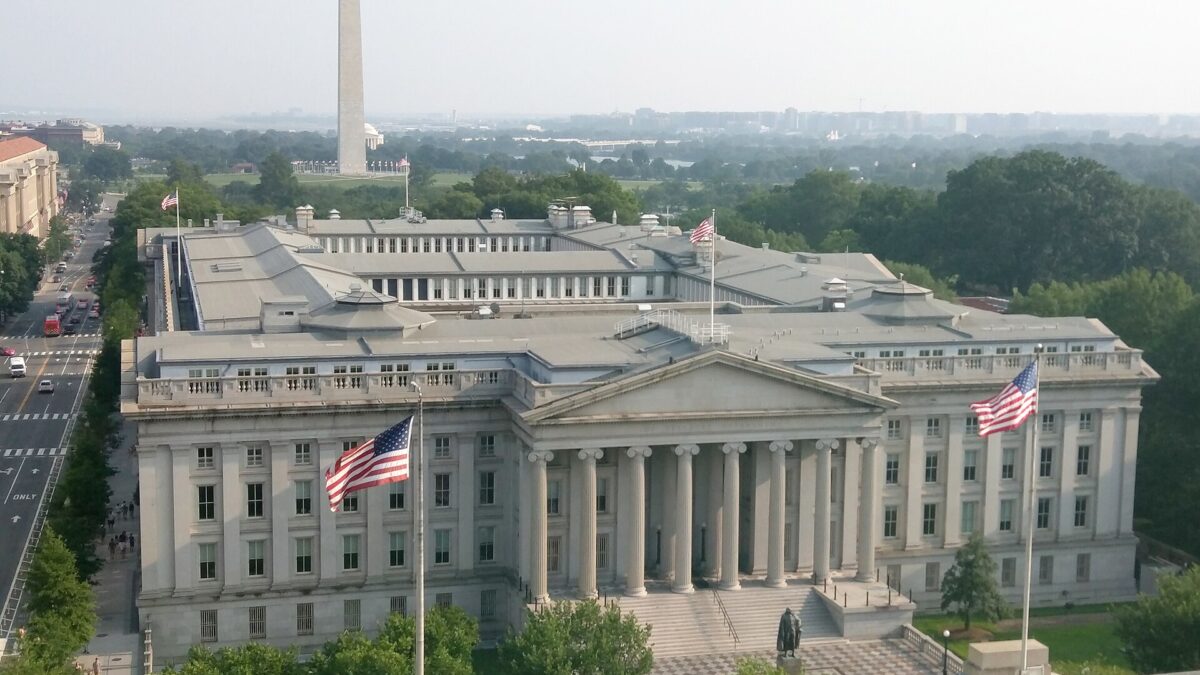
Image: MeanieHyaena via Wikimedia Commons (CC BY 4.0).



Join the conversation