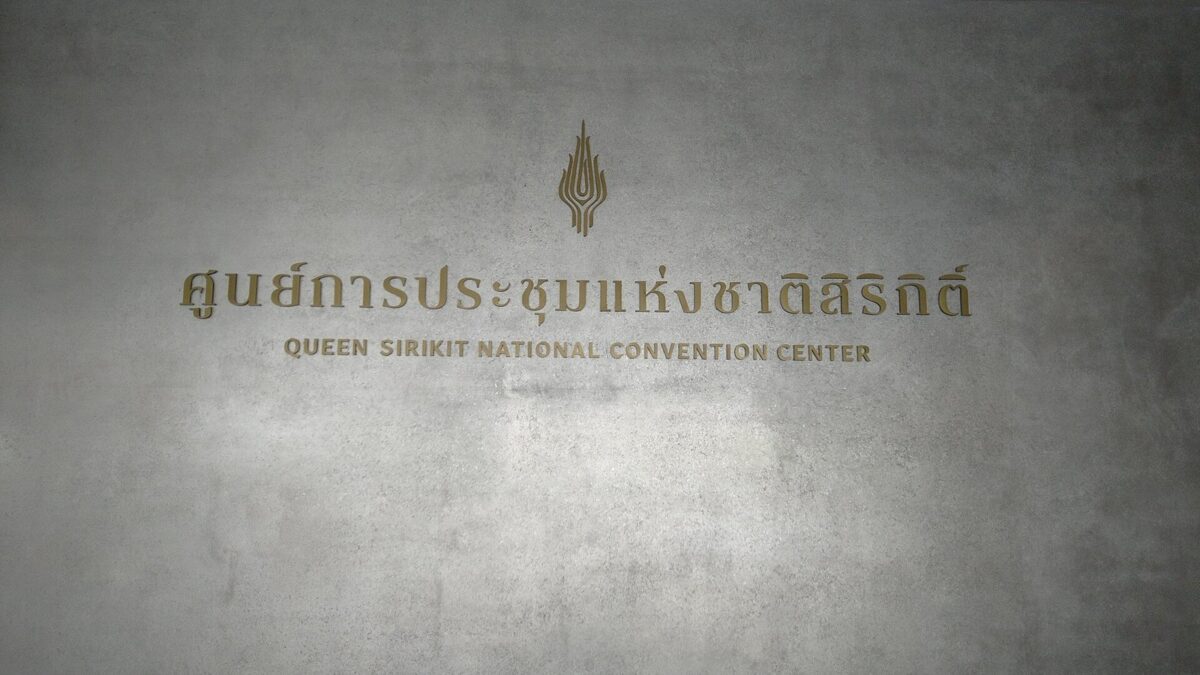
Finance ministers and central bankers are converging on Bangkok this week for the annual meetings of the International Monetary Fund and World Bank, with the U.S.-Israeli war against Iran, a historic energy supply shock and mounting government debt set to dominate the agenda.
The meetings, running Oct. 12–18 at the Queen Sirikit National Convention Center, are being held outside Washington for the first time in three years. IMF Managing Director Kristalina Georgieva told Reuters that about 18,000 people had registered, some 4,000 more than the last off-site gathering in Morocco in 2023.
Bessent stays home; Warsh to attend
U.S. Treasury Secretary Scott Bessent is skipping the meetings and a gathering of Group of 20 finance officials, which the United States chairs this year, sending two senior officials in his place while he attends to what a U.S. official described as domestic engagements. Federal Reserve Chair Kevin Warsh is expected to attend and appear at a public event with Georgieva on Oct. 16.
Several other finance ministers are also staying away because of budget and election commitments, though most central bank governors are expected in Bangkok.
Growth steady, risks rising
The IMF has signaled little change to its forecast of roughly 3% global growth for 2026, with a possible slight upgrade for next year. Ukraine and Gulf economies hit by Iranian strikes and reduced energy exports are expected to see downgrades when the fund publishes its World Economic Outlook this week.
World Bank President Ajay Banga said growth had held up better than feared after Iran closed the Strait of Hormuz, which normally carries around a fifth of the world’s oil. But he warned that soaring diesel costs, rising fertilizer prices and a looming “super” El Niño were converging. “It’s that put together that creates its own challenges,” Banga said.
Group of Seven countries have agreed to release 100 million barrels of diesel and crude from emergency reserves, and more than 1 billion barrels have been drawn from inventories since the war began on Feb. 28. Industry executives caution that accessible stockpiles are running low, leaving markets more fragile.
Debt at a post-war high
Georgieva struck a sober tone in her curtain-raiser speech, warning that “winter is coming.” The IMF estimates global public debt is at its highest level since World War II and will exceed 100% of GDP before 2030.
Developing economies face about $400 billion in payments to external creditors this year, with interest costs already consuming more than 10% of government revenue on average. G20 diplomats say there is little appetite for a COVID-style debt-service suspension, while civil-society groups warn that proposed changes to IMF lending conditions could deepen austerity in vulnerable countries.
For investors, the meetings offer an early read on how policymakers intend to balance inflation driven by energy and food prices against slowing growth and record borrowing—an equation that has already pushed long-term U.S. Treasury yields to multi-decade highs.
Sources & Credits
Reporting based on: Reuters via Al-Monitor; International Monetary Fund; IMF Annual Meetings 2026; The Nation Thailand.
Image: Queen Sirikit National Convention Center, Bangkok — Jonashtand / Wikimedia Commons (CC BY-SA 4.0).

Join the conversation