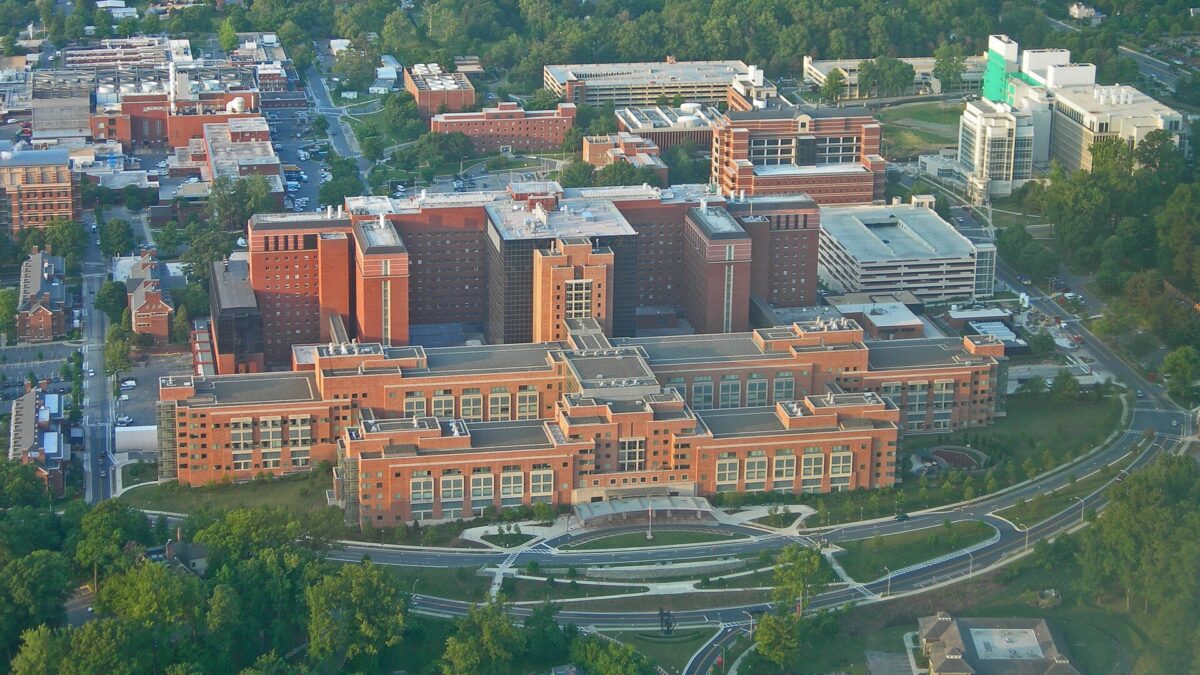
WASHINGTON, Oct. 8 (TodayViralUSA) — Health and Human Services Secretary Robert F. Kennedy Jr. has opened a clinic at the National Institutes of Health dedicated to studying and caring for people who believe they were injured by vaccines, the centerpiece of a wider federal initiative that also includes a plan to pay physicians for reporting suspected side effects.
Kennedy unveiled the effort during an unannounced visit to the NIH campus in Bethesda, Maryland, on Monday, his first trip there as secretary, according to reports from Bloomberg and The New York Times. He attended a ribbon-cutting for the clinic and met with patients and parents who say they or their children were harmed by vaccines.
What the initiative includes
Beyond the clinic, the administration is developing a new medical billing code that would reimburse doctors for the time it takes to file reports of serious suspected vaccine reactions with the Vaccine Adverse Event Reporting System, or VAERS, which is run jointly by the Centers for Disease Control and Prevention and the Food and Drug Administration. Bloomberg reported that the plan also calls for modernizing the federal system that tracks adverse events and for new electronic health record requirements.
NIH Director Jay Bhattacharya, CDC Director Erica Schwartz, Centers for Medicare & Medicaid Services Administrator Mehmet Oz and acting FDA Commissioner Kyle Diamantas attended the event, according to Bloomberg.
The NIH had signaled the program in two little-noticed notices posted in June, which said the department would investigate vaccine injuries through a new research program at the NIH Clinical Center that “may expand to centers around the country,” The Times reported. The trade publication Pink Sheet described the facility as a clinic for observational research and said NIH’s infectious disease institute is weighing participation in trials examining vaccination schedules.
Key details still undisclosed
HHS has not publicly released the clinic’s budget, how patients will be selected, which vaccines and conditions will be studied, what research protocol it will follow or who will review its findings. Spokespeople for HHS and NIH did not respond to requests for comment from Bloomberg.
Public health experts note that a VAERS report on its own does not establish that a vaccine caused an illness; the system is designed to flag potential safety signals for further study. Observational research can describe symptoms and patterns but generally cannot prove causation without comparison groups and independent review.
A polarizing agenda
The move is one of Kennedy’s most significant steps yet on an issue he championed for years before joining the administration, including as head of the advocacy group Children’s Health Defense. Speaking at a conference hosted by that group last month, he told attendees they had a “strong and steadfast friend” in the White House.
Medical organizations agree that genuine vaccine injuries should be identified and compensated through the National Vaccine Injury Compensation Program, created by Congress in 1986. But they have warned against proposals to presume a causal link for conditions where science has not established one, and they fear the new effort could further erode confidence in vaccines.
The initiative comes as vaccine-preventable diseases are rising amid falling immunization rates, including a Pennsylvania measles outbreak that has become the nation’s largest in years. The White House had at one point instructed Kennedy to avoid discussing vaccines ahead of next month’s midterm elections, The Times reported.
Sources & Credits
- The New York Times (via DNYUZ): Kennedy Plans Federal Vaccine Injury Initiative, Drawing Wary Eye From Experts
- Bloomberg Law: RFK Jr. Announces Vaccine Injury Clinic, Initiative at NIH
- Medical Daily: Kennedy Opens NIH Clinic to Study Suspected Vaccine Injuries, but Budget, Enrollment Rules and Oversight Remain Undisclosed
- Pink Sheet: Clinic For ‘Observational’ Vaccine Injury Research, A MAHA Strategy, Launched At NIH
Image: NIH Image Gallery, public domain, via Wikimedia Commons

Join the conversation