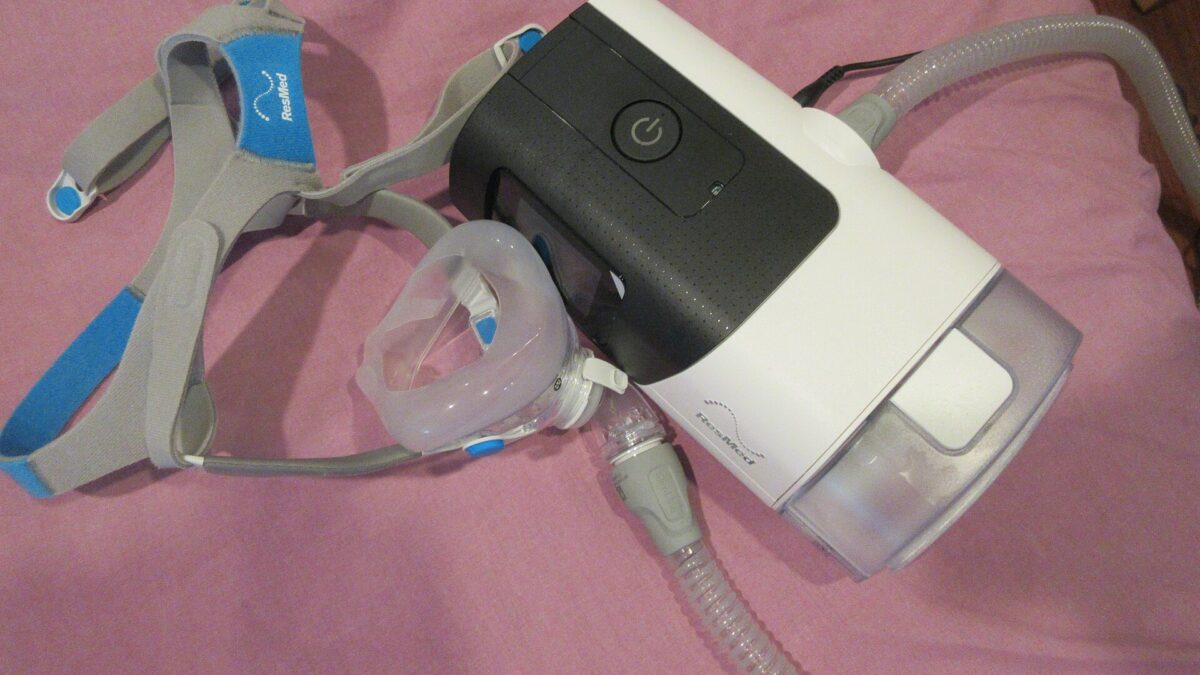
CHICAGO, Nov. 11 (TodayViralUSA) — A once-daily weight-loss pill sharply reduced breathing interruptions in adults with moderate to severe obstructive sleep apnea, according to late-breaking research presented at the American Heart Association’s Scientific Sessions 2026.
Researchers say the two ATTAIN-OSA trials of orforglipron, an oral GLP-1 medication, are the first large studies of a pill to treat sleep apnea in people with overweight or obesity. The findings, presented Monday in Chicago, are preliminary.
Fewer breathing interruptions
After one year, participants taking orforglipron had about 18 fewer breathing interruptions per hour of sleep, compared with about five fewer among those on a placebo. Results were broadly similar whether or not patients used a CPAP machine.
The drug also cut sleep apnea-related drops in blood oxygen by 51% and 44% in the two studies, versus 18% for placebo. Participants on orforglipron lost about 10% to 11% of their body weight, compared with 1% to 2% in the placebo groups, and saw larger declines in a key inflammation marker.
A meaningful drop in blood pressure
Systolic blood pressure fell by about 7 points among those taking the pill, compared with roughly 2 points on placebo.
“That’s a meaningful blood pressure change that would have a positive impact on cardiovascular health for people with sleep apnea,” said presenting author Dr. Vaishnavi Kundel of the Icahn School of Medicine at Mount Sinai in New York. She noted that CPAP use has been shown to lower blood pressure by about two to three points.
The most common side effects were nausea, diarrhea and constipation, which participants generally described as mild to moderate.
Not a replacement for CPAP
The trials enrolled 712 adults across 66 sites in North America, South America, Europe and Asia. One study included 363 people who did not use CPAP; the other included 349 CPAP users who paused the device for a week before sleep testing. People with diabetes or mild sleep apnea were excluded.
Researchers stressed that the pill is not meant to replace CPAP, but could be used alongside it or by patients who cannot tolerate the device. They said weight loss likely drove much of the benefit, and that longer studies in more diverse groups are needed to measure long-term heart outcomes.
“If approved to treat obstructive sleep apnea, orforglipron could be a promising oral pharmacologic option,” Kundel said. Obstructive sleep apnea affects an estimated 1 billion adults worldwide, according to the American Heart Association.
Sources & Credits
- American Heart Association via Medical Xpress: Daily, oral GLP-1 medication reduced episodes of sleep apnea in adults with excess weight
Image: ResMed CPAP machine and mask by Infrogmation, CC BY-SA 4.0, via Wikimedia Commons.
Join the conversation