WASHINGTON, Oct. 17 (TodayViralUSA) — Prescription drug prices fell 4.5% over the 12 months through September, the steepest annual decline on record in federal data, even as overall inflation climbed and Americans continued to report rising health care costs.
The prescription drug index in the Bureau of Labor Statistics’ consumer price report, released Wednesday, dropped 1.2% in September alone. The agency’s historical comparison flagged the annual change as the lowest ever recorded, surpassing July’s 3.1% decline, which had been the sharpest since March 1963. The index has now been below its year-earlier level for nine consecutive months.
Competing explanations
The White House has credited President Donald Trump’s “most favored nation” pricing agreements with drugmakers and its TrumpRx discount website for the trend. Drug-pricing experts interviewed by the Associated Press when the July figures came out said the picture is more complicated.
They pointed to Medicare’s first negotiated prices for 10 widely used drugs, which took effect in January under the 2022 Inflation Reduction Act, as a likely major factor. Competition from generics and biosimilars, including lower-cost alternatives to the blockbuster treatments Humira and Stelara, has also pushed prices down, and a Medicare policy lowering costs of GLP-1 weight-loss drugs for some enrollees began in July.
“I don’t think we can attribute this price reduction to any one specific policy change or initiative,” said Juliette Cubanski of the health research group KFF. Vanderbilt University health policy professor Stacie Dusetzina said most-favored-nation policies had not yet affected the payers reflected in the index.
What the number measures
The index tracks the total amount pharmacies are paid for prescriptions, including both patients’ copays and the share covered by insurers and Medicare Part D plans, rather than what individual consumers pay at the counter. A patient’s copay can stay flat while the index moves.
That means falling drug prices may not show up in household budgets, particularly as insurance premiums and other medical costs rise. Some patients also still depend on expensive medicines with no cheaper alternatives.
The decline stands out against broader inflation, which rose to 3.7% in September as the energy shock from the war with Iran lifted gasoline prices, keeping the cost of living at the center of the midterm campaign.
Sources & Credits
- Breitbart Business Journal via HotAir: Prescription Drug Prices Just Saw the Biggest Decline Ever
- American Default Research: Prescription Drug CPI (BLS series CUSR0000SEMF01)
- Associated Press via PBS News: Trump is taking credit for sharply declining drug prices. The reality is more complex
- U.S. Bureau of Labor Statistics: Measuring Price Change in the CPI: Medical care
- Associated Press: CPI report: Inflation worsened to 3.7% in September
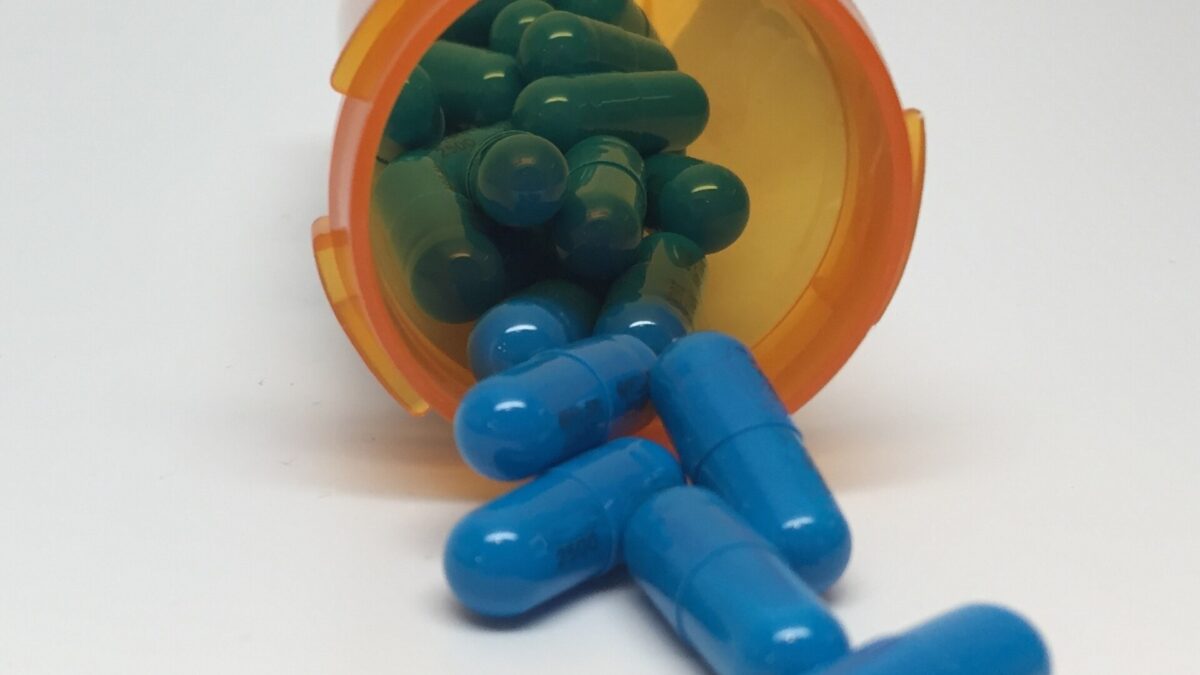
Image: Capsules spilling from a prescription bottle, by NIAID, CC BY 2.0, via Wikimedia Commons (cropped).

Join the conversation