WASHINGTON, Oct. 19 (TodayViralUSA) — The Supreme Court agreed on Monday to decide whether a federal law dating to 1868 can keep Americans from distilling whiskey, bourbon and other spirits in their own homes, taking up a case that hobbyists say is about personal freedom and the government says is about protecting tax collection.
The justices granted the Justice Department’s petition in Department of Justice v. McNutt. Argument is likely early next year, with a ruling expected by late June or early July, SCOTUSblog reported.
What the law says
The Reconstruction-era statute taxes distilled spirits and also bars operating a still in a home or in a structure connected to one. Violators face fines of up to $10,000, up to five years in prison, or both.
How the case got here
The Hobby Distillers Association, a nonprofit, and several of its members sued in 2023, saying they want to make spirits at home. The U.S. Court of Appeals for the 5th Circuit sided with them, ruling that Congress has the power to tax spirits but that a flat ban on home distilling goes beyond that power. The ban raises no money, the court said, and in fact prevents production that could be taxed. It also rejected the argument that the ban is needed to prevent tax evasion, saying that logic would place “no limit whatsoever” on Congress’s taxing power.
The government counters that the ban is a reasonable way to enforce the tax because a still hidden in a house is easier to conceal from inspectors. In its petition, filed in August, it argued that Congress restricted home distilling because a distiller can more easily “thwart necessary inspections” and evade the tax if the still is in a home.
Courts are split
Another appeals court reached the opposite result. In a separate case brought by John Ream, a retired aerospace engineer and brewery owner, the 6th Circuit upheld the ban as a valid way to collect the federal spirits tax. The government agreed the issue needed resolving but urged the justices to take its own appeal instead, which they did.
The court chose to consider only whether the ban is justified under Congress’s taxing power, and declined to take up the government’s alternative argument that it is authorized under the power to regulate interstate commerce, Bloomberg Law reported. The challengers have said the case raises basic questions about the reach of federal power and the rights reserved to the states and the people.
Sources & Credits
- SCOTUSblog: Supreme Court agrees to consider federal ban on home distilleries
- Supreme Court of the United States: Docket No. 26-204, Department of Justice v. McNutt
- AP News: Supreme Court agrees to review ban on distilling spirits in homes
- Bloomberg Law: US Ban on Making Liquor at Home to Be Reviewed by Supreme Court
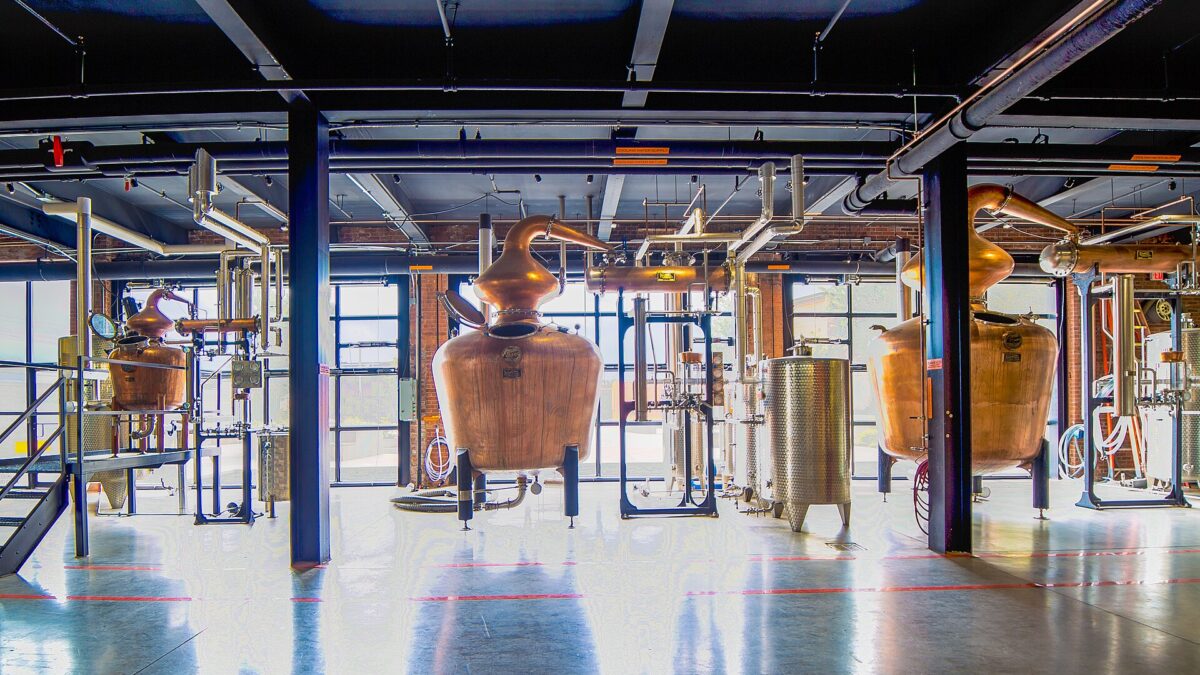
Image: Copper pot stills inside a distillery (file photo), by Cmyk4317, CC BY-SA 4.0, via Wikimedia Commons.

Join the conversation