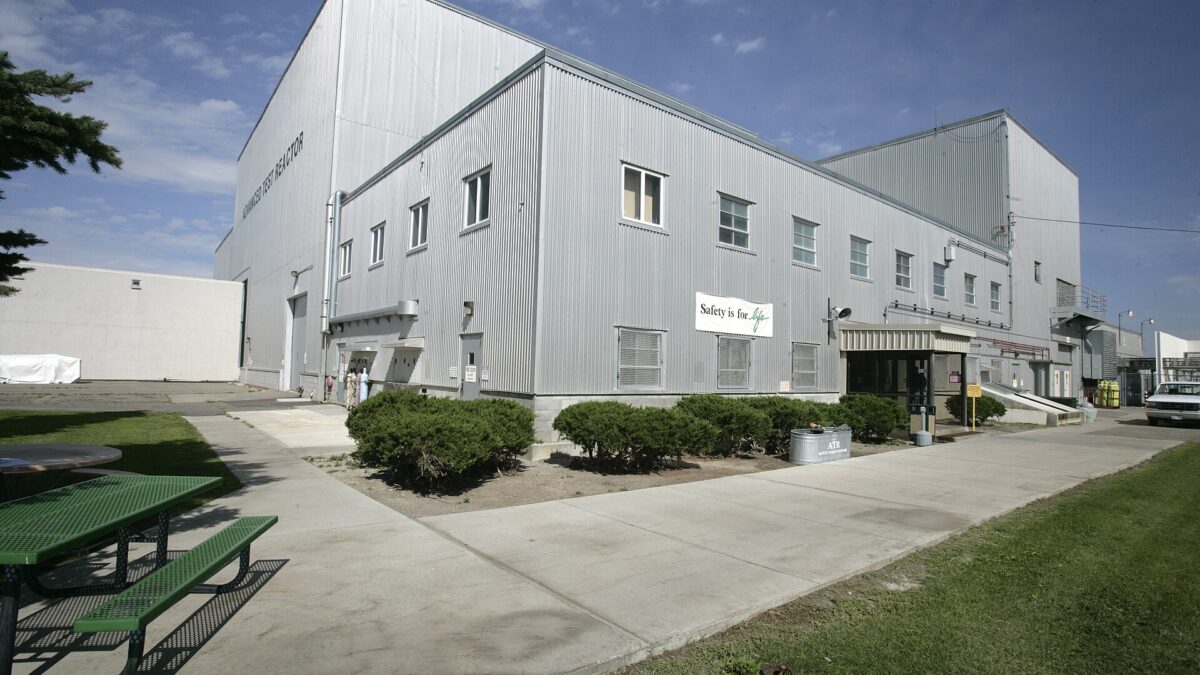
WASHINGTON — A small nuclear reactor under development at Idaho National Laboratory has reached criticality, a key technical milestone that could allow it to begin producing electricity within a few years, Energy Secretary Chris Wright said on Friday.
The microreactor, built by California-based Antares Nuclear, achieved a self-sustaining nuclear chain reaction on Thursday, June 4. Criticality is the point at which a reactor can sustain a steady release of energy, and it is a necessary step before any reactor can generate power.
First Under Pilot Program
Antares is the first private company to bring an advanced reactor to criticality under a pilot program launched last year by the Trump administration to accelerate nuclear energy development. The demonstration was carried out in partnership with the Energy Department and other contractors, with support from the U.S. Army.
Wright told reporters that June 4 would be remembered as a historic day in what he called an American nuclear renaissance. He said the achievement showed that the administration’s push to remove regulatory barriers was helping to advance new nuclear technologies.
Timeline to Power
Although the system is still years away from commercial use, the company said it expects to begin producing electricity by late 2027 and to have its systems deployed in the field by the end of 2028, according to chief executive Jordan Bramble. Antares is initially targeting military applications.
In a written statement, Bramble said nuclear power in America had for too long been defined by delays and by companies that failed to deliver on their promises. He described criticality as the first step on a roadmap toward generating electricity and deploying the technology at customer sites, and said the company was months to years away from deploying microreactors at military installations.
Regulatory Shift
President Donald Trump signed executive orders in May 2025 intended to speed nuclear development, including measures giving the energy secretary authority to approve certain advanced reactor designs and projects. The orders also limited some powers of the Nuclear Regulatory Commission, the independent safety agency that has overseen the U.S. nuclear industry for five decades.
Skeptics Raise Concerns
Critics warn that nuclear energy carries risks and argue that microreactors have yet to prove they are safe, feasible or able to deliver power at a reasonable cost. Questions also remain about fuel supply, waste management and the economics of building many small units rather than fewer large plants.
Why Microreactors
Microreactors are designed to be small enough to be manufactured in factories and transported to remote sites, such as military bases or isolated communities, where they could provide reliable power for years without refueling. Supporters say they could also help meet surging electricity demand from data centers and industry.
Idaho National Laboratory, the Energy Department’s lead nuclear research site, has long served as a testing ground for new reactor designs.
Sources & Credits
- PBS NewsHour / Associated Press: Energy Department says advanced nuclear reactor first to reach critical milestone
Image: Idaho National Laboratory, CC BY 2.0, via Wikimedia Commons.



Join the conversation