BERLIN, Oct. 1 (TodayViralUSA) — Charité – Universitätsmedizin Berlin said a 19-year-old patient with severe transfusion-dependent beta-thalassemia is no longer reliant on regular blood transfusions after receiving Germany’s first post-approval CRISPR-based gene therapy, Exagamglogene autotemcel (Exa-cel), the hospital reported in a news release carried by EurekAlert.
The patient, identified as Mohammad, received more than 900 million of his own genetically edited blood stem cells on May 28. About 40 days later his body began producing fetal hemoglobin, which now accounts for roughly 85 percent of his total hemoglobin, according to PD Dr. Lena Oevermann, senior physician in pediatric oncology and hematology and head of Charité’s Hemoglobinopathy Program. His overall hemoglobin is in the normal range, transfusions have stopped, and his immune system has recovered, she said.
“On May 28, basic research turned into medical care,” Oevermann said. CRISPR discoverer and Nobel laureate Emmanuelle Charpentier was present for the infusion. Charité Chief Executive Officer Heyo K. Kroemer called the case a milestone, noting that Charité is the first qualified center in Germany to offer the therapy after European approval.
How the treatment works
Beta-thalassemia impairs production of adult hemoglobin. Without treatment, severe forms are fatal in early childhood; many patients survive on transfusions every few weeks, at the cost of long-term complications. A conventional stem-cell transplant can cure the disease but is generally considered only up to about age 14 because complication risks rise afterward, Oevermann said. Mohammad was too old for that path.
Exa-cel is a cell-based gene therapy, not a conventional pill. Clinicians mobilized the patient’s stem cells into the bloodstream, collected them and sent them to manufacturer laboratories in the Netherlands. Using CRISPR-Cas9, technicians reactivated the gamma-globin gene so the cells could again make fetal hemoglobin, which can carry oxygen effectively. After quality checks lasting months, the patient underwent chemotherapy conditioning to clear space in the bone marrow, then received the edited cells.
The full pathway took about a year. Mohammad tolerated the course well enough to leave the hospital about six weeks after infusion and has said he hopes to begin vocational training, according to Charité.
Risks and access
Clinicians emphasize that the therapy is intensive. Conditioning can cause painful mucositis and liver injury and is likely to cause infertility. Long-term safety and durability remain incompletely known; European conditional approval requires 15 years of follow-up. German insurers cover treatment only after case-by-case review, and capacity is limited to specialized centers.
Exa-cel, developed by CRISPR Therapeutics — co-founded by Charpentier — and Vertex Pharmaceuticals, has conditional European approval since 2024 for certain patients with transfusion-dependent beta-thalassemia or severe sickle-cell disease. About 60,000 children worldwide are born each year with severe beta-thalassemia, Charité said.
For one young patient in Berlin, a single engineered infusion has removed the transfusion schedule that defined his life. Broader use will depend on safety follow-up, payer rules and how many centers can deliver the same complex pathway.
EurekAlert / Charité: First CRISPR therapy use in Germany after approval
Particle: Charité CRISPR therapy ends teen’s transfusion dependence
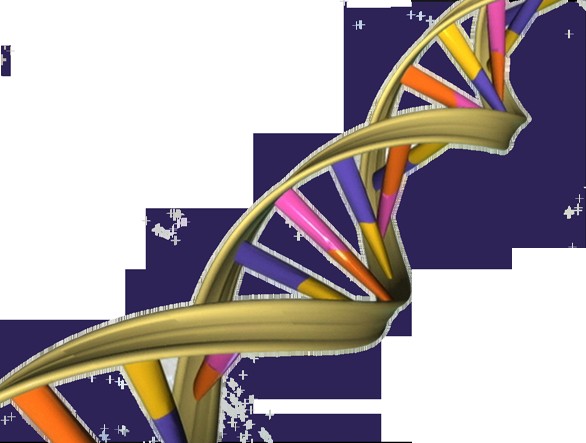
Image: Apers0n / National Human Genome Research Institute (public domain), via Wikimedia Commons.


Join the conversation