NEW YORK, Oct. 31 (TodayViralUSA) — Most Americans get an extra hour of sleep tonight as daylight saving time ends, and it may be one of the last routine “fall back” weekends for a while if Congress makes a late push to lock the clocks in place. For now, though, the bill to do that is stalled in the Senate.
Clocks fall back one hour at 2 a.m. local time on Sunday, Nov. 1, returning most of the country to standard time. Phones and other connected devices set to update automatically should change on their own overnight.
Darker evenings, brighter mornings
The switch shifts daylight from evening back to morning. In Boston, for example, the sun rises Saturday at 7:16 a.m. and sets at 5:39 p.m.; on Sunday it will rise at 6:17 a.m. and set at 4:37 p.m., according to the National Weather Service, CBS News reported.
This year the change falls in the overnight hours right after Halloween, giving revelers an extra hour, though parents of young children may find their kids’ sleep schedules thrown off for several days. Daylight saving time will return on Sunday, March 14, 2027, unusually late because next March starts on a Monday.
Hawaii and most of Arizona do not observe daylight saving time, although the Navajo Nation in Arizona does. Neither do American Samoa, Guam, the Northern Mariana Islands, Puerto Rico or the U.S. Virgin Islands.
A permanent change stalls in the Senate
The Sunshine Protection Act, which would make daylight saving time permanent while letting states opt out, passed the House in July but has not come to a vote in the Senate. President Trump, who supports the bill, has accused Sen. Tom Cotton of Arkansas, a fellow Republican, of holding it up, and even posted what he said was Cotton’s cellphone number, urging supporters to call him.
Cotton has pointed out that the country has tried permanent daylight saving time before, only to return to the twice-yearly change “once Americans experienced absurdly late sunrises in the winter.” The U.S. tried year-round daylight time during World War II and again during the 1970s energy crisis, when it was abandoned before reaching 10 months.
The clock is running on the bill, too. Any legislation that has not passed by early January dies when the new Congress chosen in Tuesday’s midterm elections is sworn in, and the effort would have to start over in both chambers.
Sources & Credits
- CBS News: Daylight saving time 2026 ends tonight. Here’s what time the clocks change and more key details.
- NBC News: Daylight saving time ends Sunday as clocks ‘fall back’: Here’s what to know
- Associated Press: Senate skeptical about permanent daylight saving time
- USA Today: Daylight saving time 2026 ends Nov. 1. What to know about time change
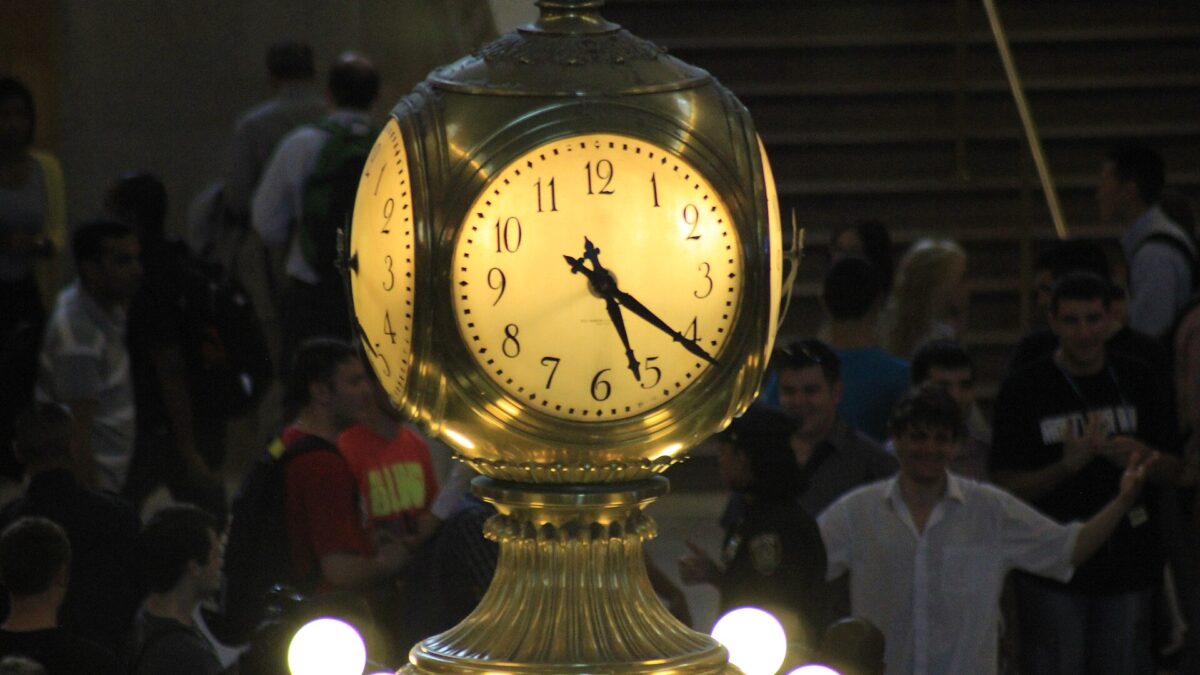
Image: The clock at Grand Central Terminal in New York, by Vermonster, CC BY-SA 3.0, via Wikimedia Commons.



Join the conversation