WASHINGTON — President Donald Trump on Thursday revoked the 2009 “endangerment finding,” the scientific determination that underpins virtually all federal efforts to limit the greenhouse gases driving climate change.
The finding, issued by the Environmental Protection Agency during the first year of Barack Obama’s presidency, concluded that six greenhouse gases, including carbon dioxide and methane, pose a threat to public health and welfare. It has served as the legal foundation for federal emissions rules ever since.
White House Calls It Largest Deregulation
The White House described the repeal as the largest deregulatory action in American history. Administration officials said overturning the finding would save more than $1 trillion and reduce costs for automakers by about $2,400 per vehicle, lowering prices for consumers.
Speaking in the Oval Office, Trump called the 2009 ruling a disastrous policy that he said had damaged the U.S. auto industry and driven up prices.
Why the Finding Matters
With Congress unable to agree on comprehensive climate legislation, the endangerment finding became the main tool for federal regulation of greenhouse gases under the Clean Air Act. Meghan Greenfield, a former EPA and Justice Department attorney, told the BBC that the finding has served as the linchpin of U.S. greenhouse gas regulation, supporting standards for motor vehicles as well as power plants, the oil and gas sector, landfill methane and aircraft.
Because those sector-specific rules rest on the finding, its repeal could unravel a wide range of existing and future emissions limits. Vehicle tailpipe standards are expected to be the most immediately affected.
Reaction and Legal Challenges
Environmental groups called the decision the most significant climate rollback yet attempted and said they would challenge it in court. The finding was itself rooted in the Supreme Court’s 2007 decision in Massachusetts v. EPA, which held that greenhouse gases qualify as air pollutants under the Clean Air Act, a precedent likely to feature prominently in the coming litigation.
Former President Obama, who rarely comments on his successors’ policies, wrote on social media that repealing the finding would leave Americans less safe, less healthy and less able to fight climate change, and accused the administration of acting to benefit the fossil fuel industry.
Supporters of the repeal argued that climate regulations had imposed heavy economic costs. Diana Furchtgott-Roth, who served at the Department of Transportation during Trump’s first term, told the BBC the rules had burdened the economy and contributed to higher prices and the loss of manufacturing.
Scientific Consensus
The repeal comes despite broad scientific agreement that rising concentrations of greenhouse gases are warming the planet and increasing the risks of extreme heat, flooding and other hazards. Scientific organizations have warned that dismantling the regulatory framework would make it harder for the United States to reduce emissions.
The legal fight is expected to take years and could ultimately return to the Supreme Court. In the meantime, the repeal is likely to shape how states and automakers plan for emissions standards, with some states expected to pursue their own rules.
Sources & Credits
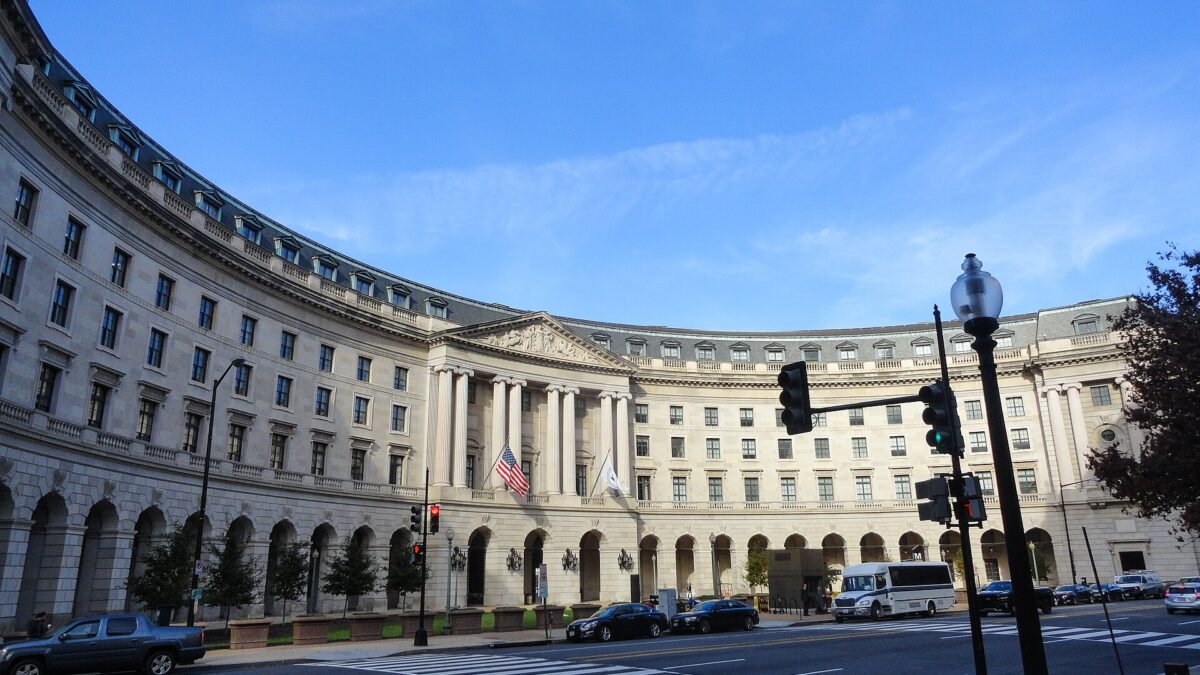
Image: Moreau1, Public domain, via Wikimedia Commons.



Join the conversation