WASHINGTON, Nov. 3 (TodayViralUSA) — NASA’s Neil Gehrels Swift Observatory, a workhorse telescope that spent nearly 22 years catching the universe’s most violent explosions, is about to fall out of orbit and burn up in Earth’s atmosphere after a first-of-its-kind commercial rescue mission failed.
As of Monday, the U.S. Space Force predicted the roughly 3,200-pound spacecraft would re-enter at about 3:30 a.m. EST on Wednesday, Nov. 4, with an uncertainty of 11 hours either way, NASA said. The Aerospace Corporation, which tracks decaying satellites, put re-entry slightly later, at about 4:11 a.m. EST, plus or minus 12 hours.
Low risk on the ground
NASA expects most of Swift to burn up, but some components, including pieces made of dense tungsten and parts of its mirrors, may survive, according to mission chief scientist Brad Cenko. Because of Swift’s low orbit inclination, any surviving debris would fall between 20.6 degrees north and 20.6 degrees south latitude, a band that covers mostly ocean but also parts of Africa, Australia, India, Southeast Asia and Central and South America. NASA puts the chance of anyone on Earth being harmed at about 1 in 2,100.
A rescue that ran out of time
Intense solar activity in recent years heated and expanded the upper atmosphere, increasing drag on Swift and pulling it down faster than expected. In September 2025, NASA awarded Arizona-based Katalyst Space a $30 million contract to build a robotic spacecraft, called LINK, to grab the telescope and boost it back toward its original orbit.
LINK launched in July but ran into attitude-control problems within weeks and never got close enough to attempt a capture. NASA and Katalyst called off the rescue in mid-August, and LINK re-entered the atmosphere on Sept. 25. Swift resumed science work afterward, but by Oct. 20 it had sunk to about 171 miles above Earth, too low to stay steady, and its operations were ended.
A long-lived discovery machine
Launched on Nov. 20, 2004, Swift was designed for a two-year mission to study gamma-ray bursts, the brightest explosions in the cosmos. It ended up serving as a general-purpose observatory for more than two decades, using its three telescopes to rapidly spot bursts, black hole activity and other high-energy events and alert observatories around the world. Astronomers say its loss leaves a gap in the ability to catch such fleeting events.
NASA and the Space Force said they will continue to track the descent and update predictions.
Sources & Credits
- NASA Science: NASA’s Swift Observatory to Re-Enter Atmosphere
- UPI: NASA’s Swift telescope expected to fall to Earth this week after failed rescue
- CBS News: An aging NASA space telescope is plunging back to Earth
- The Verge: A truck-sized NASA space telescope is about to crash to Earth
- El País English: Swift telescope to crash into Earth after NASA rescue attempt fails
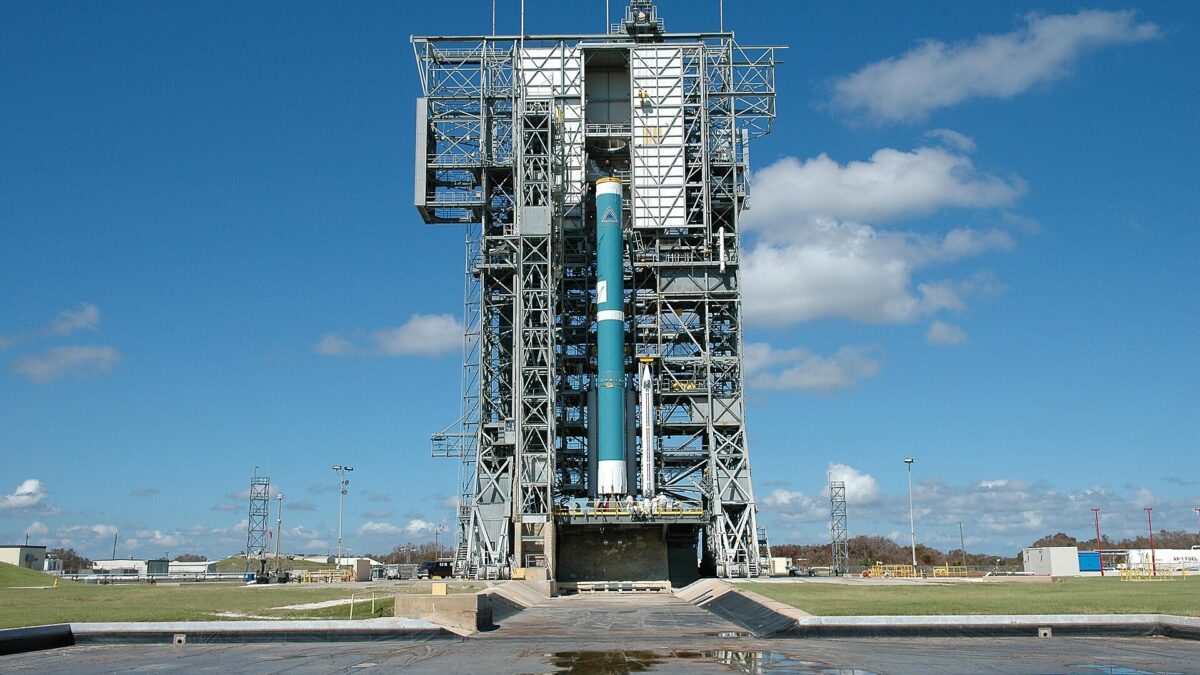
Image: The Swift spacecraft being prepared for launch on a Delta II rocket at Cape Canaveral, 2004 (file photo), by NASA/KSC, public domain, via Wikimedia Commons.


Join the conversation