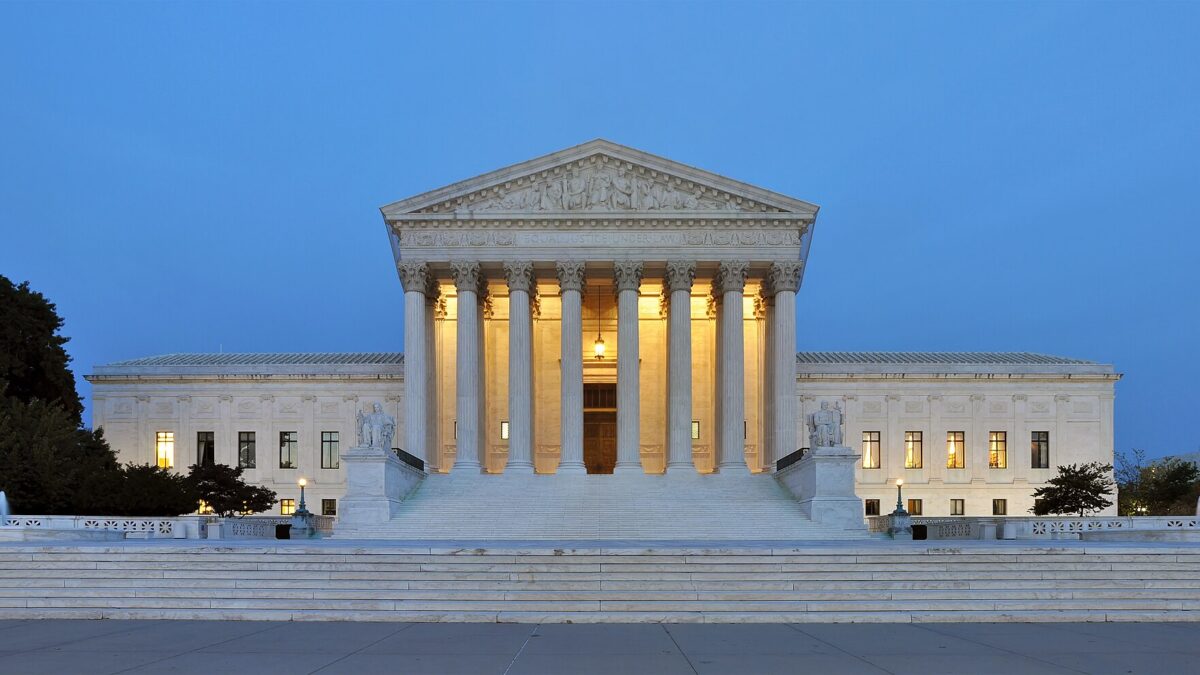
WASHINGTON, Oct. 27 (TodayViralUSA) — The Supreme Court on Tuesday refused to block a deal between Texas and the Trump administration that wiped out a Biden-era rule letting immigration judges temporarily pause deportation cases, leaving the practice barred nationwide.
The justices denied an emergency request from the cities of Baltimore; Columbus, Ohio; and New Haven, Connecticut, along with the legal services group Centro Legal de la Raza. As is common with emergency orders, the court gave no explanation. No justice noted a dissent.
What administrative closure did
The 2024 rule codified a long-standing practice known as administrative closure, which let immigration judges set aside removal proceedings in certain cases, for example while an immigrant pursued other protections through U.S. Citizenship and Immigration Services. Advocates say it often helped law enforcement secure cooperation from immigrant crime victims and witnesses.
A same-day settlement
Texas sued over the rule two years after it was adopted, arguing that it exceeded the agency’s authority and allowed people without legal status to stay in the country indefinitely. Within hours, Texas and the Justice Department jointly asked the court to declare the rule unlawful and vacate it.
Later the same day, Chief U.S. District Judge Reed O’Connor of the Northern District of Texas approved the agreement, striking down the rule nationwide and permanently barring the federal government from adopting similar protections in the future.
The cities and Centro Legal de la Raza tried to intervene to defend the rule. They argued that the case was an “egregious new extension” of a tactic in which a new administration uses a friendly lawsuit to undo its predecessor’s regulations without going through the public notice-and-comment process the Administrative Procedure Act requires.
The cities said more deportations would cost them tax revenue, while Centro Legal de la Raza said the judgment saddled it with substantial unpaid legal work. The administration countered that the challengers lacked standing to intervene at all, urging the justices not to put the “cart before the horse.”
What happens now
The consent judgment does not expressly require immigration courts to reopen cases that were already administratively closed. But the Immigrant Legal Resource Center says courts have applied it broadly, denying new requests for closure and placing some previously paused cases back on their calendars.
Sources & Credits
- Courthouse News Service: Supreme Court won’t block Texas-DOJ deal unraveling immigration court rule
- SCOTUSblog: Court declines to restore Biden-era regulation allowing some deportation proceedings to be suspended
- Associated Press: Supreme Court won’t intervene in case over Biden-era immigration regulation
- Supreme Court of the United States: Docket No. 26A500, Baltimore v. Texas
- Immigrant Legal Resource Center: Administrative Closure, Termination, and Texas v. Department of Justice
Image: The U.S. Supreme Court building at dusk, by Joe Ravi, CC BY-SA 3.0, via Wikimedia Commons.



Join the conversation