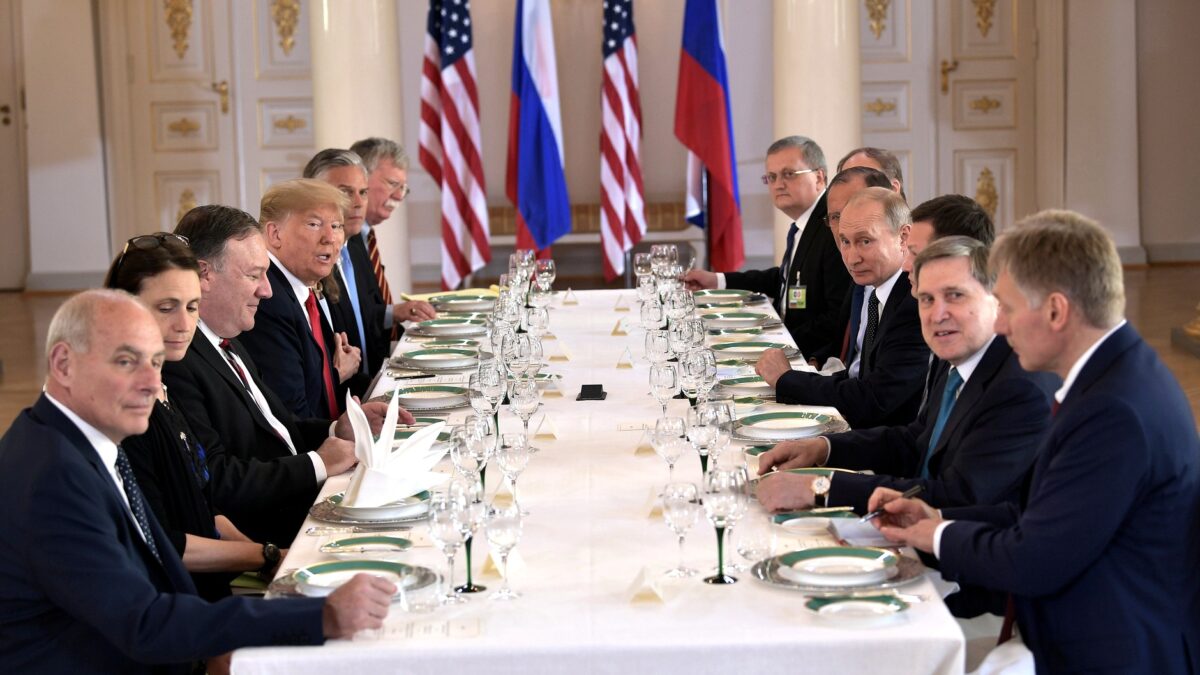
WASHINGTON, Oct. 10 (TodayViralUSA) — President Donald Trump said he has struck a deal with Russian President Vladimir Putin to import large volumes of Russian diesel, a sudden reversal of the U.S. ban on Russian energy supplies imposed after Moscow’s 2022 invasion of Ukraine and a move that immediately strained relations with Kyiv weeks before the midterm elections.
Trump announced the arrangement on social media Friday after a phone call with Putin that had been expected to touch on other issues, including a reported plague case in Russia. Instead, he said Russia would “immediately” supply more than 300,000 tonnes of diesel, followed by 500,000 tonnes in November, 1 million tonnes “immediately thereafter,” and an additional 3 million tonnes “within a short period of time.”
Leaving the White House later for a campaign rally, Trump thanked Putin and said diesel was “what we want,” tying the deal to efforts to ease high fuel costs for farmers, truckers and ranchers. The White House did not immediately say who would pay for the cargoes or when they would arrive in U.S. ports.
A break with sanctions policy
The United States has not imported Russian oil or gas since 2022, when the Biden administration banned those shipments over the war in Ukraine, according to the U.S. Energy Information Administration. Trump’s announcement also sits uneasily beside a sweeping Russia sanctions law he signed last month aimed at squeezing the oil and gas revenues that fund Russia’s war effort.
That law directs the administration to target countries that buy Russian oil and gas. Democrats including Senate Minority Leader Chuck Schumer and Sens. Jeanne Shaheen and Elizabeth Warren called the diesel deal a betrayal of Ukraine, European allies and U.S. national security, urging Trump to end the war with Iran “instead of funding Russia’s war machine.”
Zelensky blindsided as Miami talks continue
Ukrainian President Volodymyr Zelensky called the agreement “a weak decision” by strong partners and said he believed his negotiating team was being used as a “smokescreen.” In comments to Axios, he described the deal as “not fair and not honest.”
A U.S. official told Axios that Trump moved forward after Kyiv ignored roughly half a dozen U.S. requests to stop striking Russian oil refineries — attacks that have deepened Russia’s energy crunch but also, in Washington’s view, helped keep diesel expensive for American drivers. Ukrainian strikes contributed to a Russian ban on diesel exports that added pressure to global markets already strained by the war in Iran.
Trump’s envoy Steve Witkoff and son-in-law Jared Kushner were meeting Ukrainian officials in Miami on Friday to discuss a proposal to end the Russia-Ukraine war when the diesel announcement landed. Participants discussed security guarantees, territorial ideas, reconstruction financing and a possible Europe-Russia postwar framework, according to the U.S. official. Ukrainian and U.S. accounts differed on whether envoys threatened to cut intelligence sharing if strikes continued; the U.S. side denied any such threat.
Prices, politics and Putin’s message
National average diesel prices remain elevated at about $6.28 a gallon, according to AAA, after hitting a record $6.52 on Sept. 22 as the Iran conflict scrambled energy markets. Diesel futures dipped on the news Friday, but household and freight costs have become a central midterm vulnerability for Republicans.
In a Kremlin statement, Putin said the call devoted “significant attention” to prospects for resolving the Ukrainian crisis and to Iran and bilateral ties. Russia “confirmed its readiness to supply oil and oil products to the American and global markets,” he said. Putin’s foreign policy adviser later said Moscow would not commit to an immediate return to peace talks, citing Ukrainian strikes during Russian parliamentary elections.
Australia’s energy minister said Canberra would not follow Washington’s lead and would continue blocking Russian oil. European and other allies have not announced matching purchases.
Update — Oct. 10
Ukrainian officials said Saturday that Russian aerial bombs killed at least seven people, including three children, in residential areas of Zaporizhzhia, with about 10 wounded. The attacks came a day after Trump announced the diesel arrangement.
Kremlin foreign-policy aide Yuri Ushakov said Putin told Trump that Ukrainian drone strikes on Moscow and polling stations during parliamentary elections had interrupted the chance of an immediate resumption of trilateral peace talks, though Moscow remained ready to negotiate after elections.
Separately, energy-policy experts told the Associated Press that the volumes Trump described — initially more than 300,000 tonnes, then staged follow-on shipments — are unlikely to make a lasting dent in diesel prices already elevated by the Iran conflict and earlier Russian export curbs. The U.S. Treasury issued a temporary license allowing Russian diesel loaded as of Friday to move without U.S. sanctions applying until April 2027.
Sources & Credits
- Associated Press / The Sydney Morning Herald: Trump strikes deal with Putin for Russian diesel
- Axios: U.S. official: Trump cut deal with Putin after Zelensky ignored his requests
- OPB / Associated Press: Trump strikes deal with Putin to get diesel in sharp reversal of US policy weeks before midterms
- Associated Press: Russian attacks kill 7 in Ukraine after Trump strikes diesel deal with Putin
- Al Jazeera: Putin tells Trump peace talks are unlikely, cites Ukraine drone attacks
- Associated Press: Experts skeptical about US deal for Russian diesel
Image: Kremlin.ru (CC BY 4.0) via Wikimedia Commons — Trump and Putin in Helsinki, 2018 (file photo).


Join the conversation