WASHINGTON, Oct. 25 (TodayViralUSA) — Robotaxis are spreading across American cities, but nearly every U.S. mass transit system still puts a human at the controls. Two of the country’s largest transit agencies now want to change that, reviving a long-stalled debate over whether trains should run themselves.
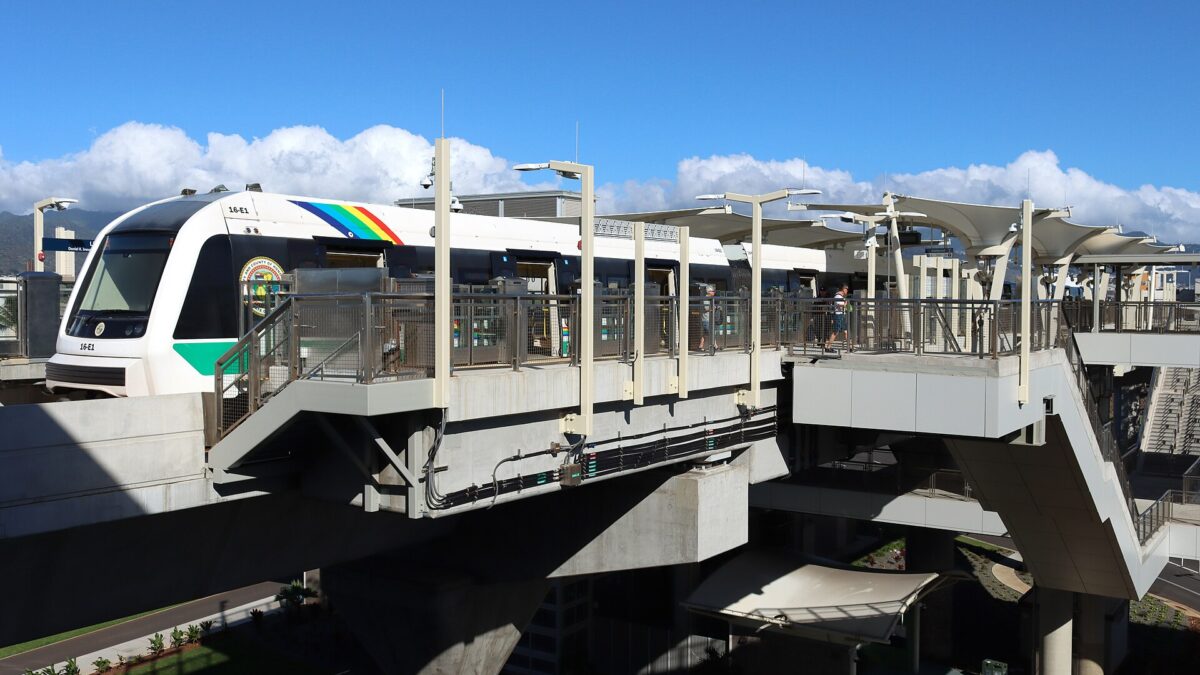
Washington’s Metro is advancing a plan that could let computers fully operate its busiest subway line, and Los Angeles is studying a new, completely automated line beneath the Santa Monica Mountains, The Associated Press reported. Honolulu already runs a driverless system.
D.C.’s Red Line plan
Under a roughly $913 million modernization project, Metro’s Red Line would get a new signaling system, full automation and platform screen doors, barriers that keep riders off the tracks, at 20 of its 27 stations. Officials have said trains could run without an operator in the cab as early as 2032 or 2033, though the timeline depends heavily on winning a large federal grant, WJLA reported.
The push carries history. After nine people were killed in a 2009 Red Line collision near Fort Totten, which federal investigators blamed on a signaling maintenance failure, Metro switched off its automated train features. They were restored on the Red Line in 2024 and on the rest of the system last year.
Metro chief executive Randy Clarke told the AP the Fort Totten failure was unrelated to today’s technology, which he called “highly regulated, highly documented, very proficient.” He said workers would still be needed to maintain tracks and respond to emergencies, and that no decision has been made on whether staff will remain aboard trains.
Unions push back
Labor leaders are skeptical. “Who wants a train going down the tracks at 75 miles per hour with no operator in it?” Raymond Jackson, president of ATU Local 689, which represents about 8,500 Metro workers, told WJLA.
John Samuelsen, international president of the Transport Workers Union, called automation “a catastrophe waiting to happen,” warning that riders could be left to evacuate on their own in systems powered by an electrified third rail.
The case for automation
Supporters note that unattended metros already operate in cities across Europe, Asia, Canada, Australia, South America and the Middle East. Honolulu’s elevated Skyline, which opened three years ago, has had no crash or injury tied to automation, project director Vance Tsuda told the AP, arguing that a human is more likely than software to miss a problem such as an open door.
In Los Angeles, the proposed Sepulveda line would use shorter, more frequent trains and platform doors to connect the Westside with the San Fernando Valley, one of the country’s worst traffic corridors. The project is under environmental review.
David King, an urban planning professor at Arizona State University, cautioned that public agencies are held to a higher standard than private companies, and that automated transit must maintain a near-perfect safety record to keep riders’ trust.
Sources & Credits
- The Associated Press via ABC News: Some US transit systems weigh whether to run trains without a human at the controls
- WJLA 7News: Metro board greenlights moving forward with Red Line train automation, platform doors
Image: Skyline Lelepaua Station with eastbound train, Honolulu, by Musashi1600, CC BY 4.0, via Wikimedia Commons.

Join the conversation