ANTALYA, Türkiye, Nov. 9 (TodayViralUSA) — 2026 is on course to rank among the four hottest years ever recorded, and a rapidly strengthening El Niño is likely to push global temperatures and extreme weather even higher into 2027, the World Meteorological Organization said Monday.
The agency’s State of the Climate Update 2026 was released on the opening day of the COP31 climate summit in Antalya, where countries are meeting through Nov. 20.
A dozen record-warm years
From January through September, the global average surface temperature was about 1.47 degrees Celsius above the 1850–1900 pre-industrial average, the report found. Each of the past 12 years has individually been among the warmest on record, and the last four years occupy the top four spots.
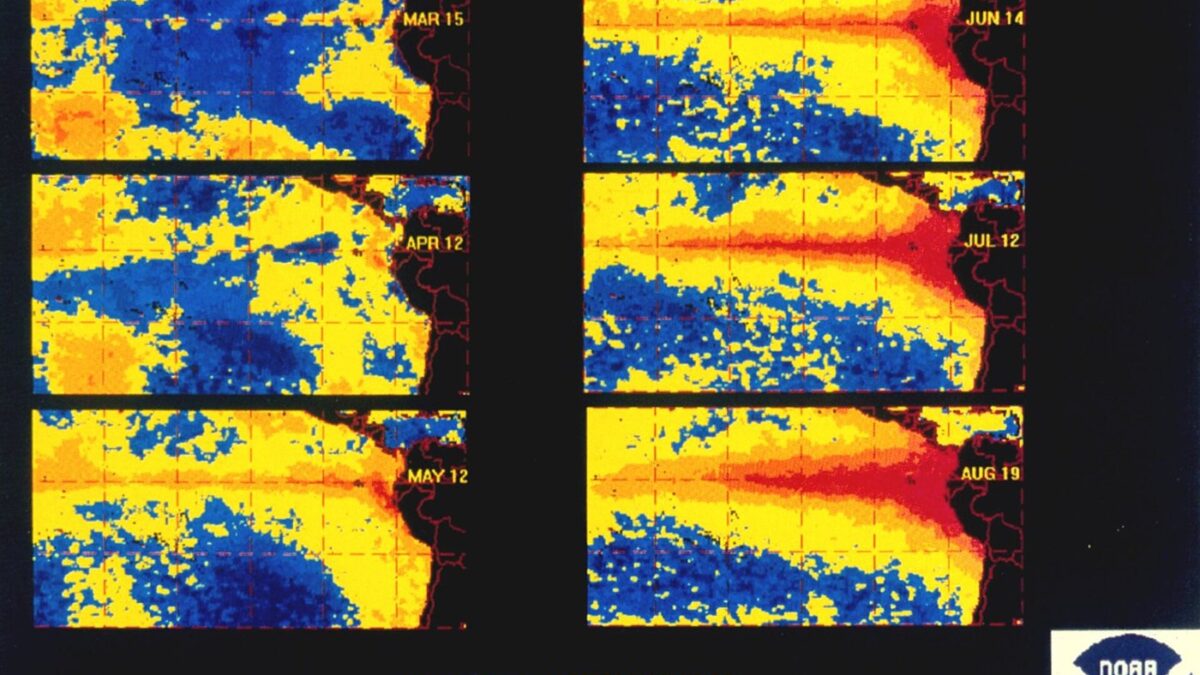
The WMO said the final 2026 figure is likely to climb because of El Niño, which has been intensifying since August and is expected to be the strongest on record by December. El Niño typically adds 0.1 to 0.2 degrees Celsius to annual global temperatures and has its biggest effect in the year after it develops.
Europe’s Copernicus climate service has already said 2026 is all but certain to become only the second calendar year, after 2024, to exceed the 1.5-degree threshold set in the 2015 Paris Agreement, Reuters reported.
Oceans and seas at record highs
Earth’s energy imbalance — the gap between incoming energy from the sun and heat escaping to space — reached its highest level since monitoring began, according to the report. The ocean absorbs about 90% of that excess heat, and 2026 is on track to be the tenth straight year of record ocean warmth. Global sea level is also at a record high.
“Every indicator here is telling the same story,” WMO head of climate information John Kennedy told reporters in Geneva, pointing to heat showing up in the ocean, the atmosphere, melting ice and rising seas.
Human toll
The report highlights an April heat wave that exposed an estimated 146.5 million people in India to extreme heat, and a Himalayan glacier collapse and flash flood in Nepal in late August that killed more than 1,300 people. The World Health Organization has, for the first time, classified the anticipated health effects of El Niño as a health emergency, the WMO said.
“We have entered a new age of climate extremes,” U.N. Secretary-General António Guterres said, urging leaders to cut emissions faster and deliver finance to vulnerable countries.
There was one encouraging trend: the number of countries reporting multi-hazard early warning systems rose from 56 in 2015 to 136 in 2025. A final State of the Global Climate 2026 report is due in March 2027.
Sources & Credits
- World Meteorological Organization: State of the climate in 2026 gives new meaning to phrase “off the charts”
- World Meteorological Organization: State of the Climate Update for COP31
- Reuters via U.S. News: This Year Set to Be One of Four Hottest on Record, UN Report Says
- The Independent: 2026 could be hottest year on record. Is a ‘super’ El Niño to blame?
Image: Sea surface temperature anomalies during the 1997 El Niño (file image) by NOAA, public domain, via Wikimedia Commons.



Join the conversation