WASHINGTON, Nov. 1 (TodayViralUSA) — Open enrollment for 2027 Affordable Care Act coverage began Sunday in most states, and shoppers are facing another round of double-digit premium increases, tougher identity checks if they use an insurance agent, and fewer brokers available to help them sign up.
The enrollment window on HealthCare.gov and most state marketplaces runs through Jan. 15. People who want coverage to start on Jan. 1 generally need to pick a plan by Dec. 15. Idaho, Connecticut and Massachusetts opened their sign-up periods earlier.
Premiums climb again
Benchmark silver premiums, the plans used to calculate federal subsidies, are rising an average of 13% for 2027, according to KFF, the health policy research group. Insurers had proposed a median increase of 15%. That follows a 26% jump going into 2026, leaving benchmark premiums about 42% higher on average than in 2025, KFF said.
Insurers point to fast-rising medical costs and to the expiration of the enhanced premium tax credits at the end of 2025, which pushed healthier customers out of the market. Most enrollees will still get a subsidy that cushions the increase, but households earning more than four times the federal poverty level no longer qualify and must pay full price. For this enrollment season that cutoff is $63,840 for a single person, $86,560 for a couple and $109,280 for a family of three, KFF Health News reported.
The cap on out-of-pocket costs is also going up 13%, to $12,000 for an individual and $24,000 for a family in 2027.
New identity checks for agent sign-ups
The Centers for Medicare & Medicaid Services has added anti-fraud rules for people who use an agent or broker to enroll through the federal marketplace, which serves 29 states. Every such consumer must approve their agent with a one-time code or link sent by text, email or automated call. People the agency classifies as “high-risk,” including first-time applicants, those moving to a new state, those switching agents and those paying $30 a month or less, must also verify their identity through an approved third party such as Experian.
The rules do not apply to state-run exchanges. One Pennsylvania agency owner told KFF Health News he worried that as many as one in five consumers could face extra identity checks.
Fewer brokers to go around
A CMS rule issued in September bars agents who were not registered with the federal marketplace in 2026 from helping with 2027 enrollments until February at the earliest, after open enrollment ends. Two agent groups have sued over the moratorium. Experts advise people who rely on a broker to book appointments early.
Immigrants lose eligibility, and enrollment keeps falling
Under the 2025 budget law, many lawfully present immigrants, including H-1B visa holders, refugees, asylees and people with temporary protected status, can no longer receive ACA subsidies. Green-card holders, certain Cuban and Haitian immigrants, and citizens of Micronesia, the Marshall Islands and Palau remain eligible.
Enrollment has already shrunk. Paid marketplace enrollment fell 12%, or 2.6 million people, to 19.2 million by February 2026, KFF found, and several insurers expect the market to keep deteriorating in 2027. The Trump administration has credited its fraud crackdown, including the August cancellation of about 760,000 policies it said were improperly enrolled, for part of the decline.
What shoppers should do
Brokers and analysts say enrollees should not let their plans renew automatically. Premiums, deductibles and covered doctors can change from year to year, some insurers, including Cigna, have pulled out of all or part of their ACA service areas, and new carriers may offer cheaper options.
Sources & Credits
- NPR / KFF Health News: It’s ACA open enrollment time. Here are the changes for health insurance shoppers
- KFF: 9 Things to Watch for the 2027 ACA Open Enrollment Period
- Peterson-KFF Health System Tracker: How much and why ACA Marketplace premiums are going up in 2027
- HealthCare.gov: Dates and deadlines
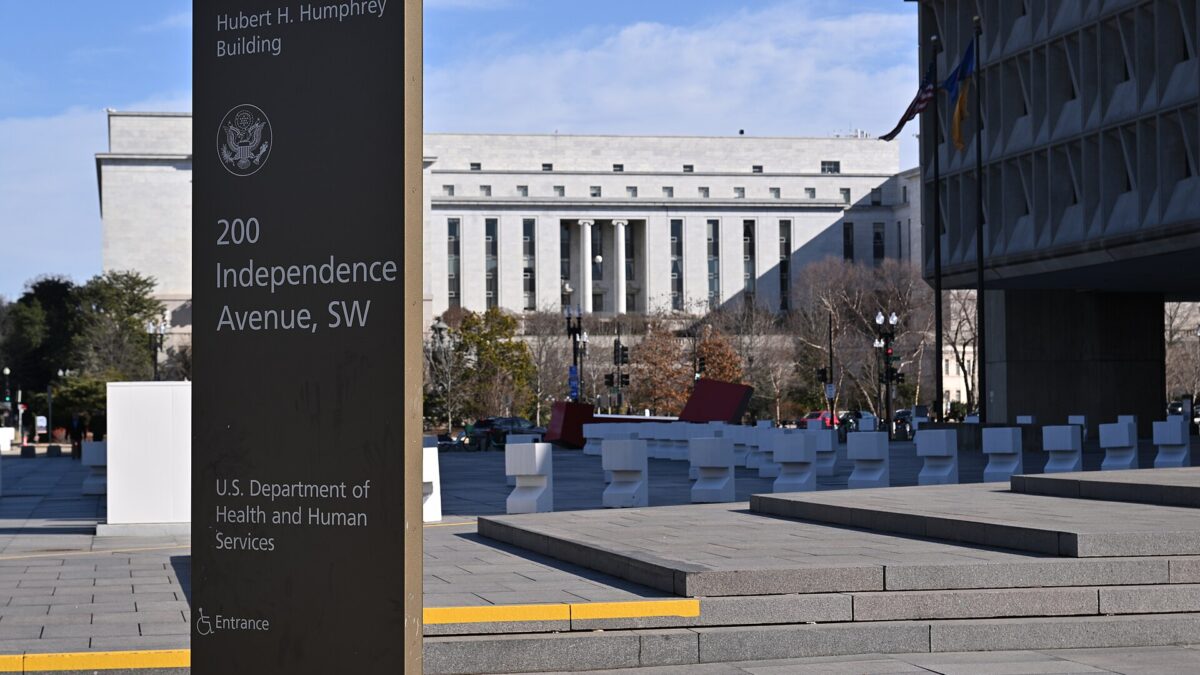
Image: Department of Health and Human Services headquarters sign in Washington, D.C., by G. Edward Johnson, CC BY 4.0, via Wikimedia Commons.


Join the conversation