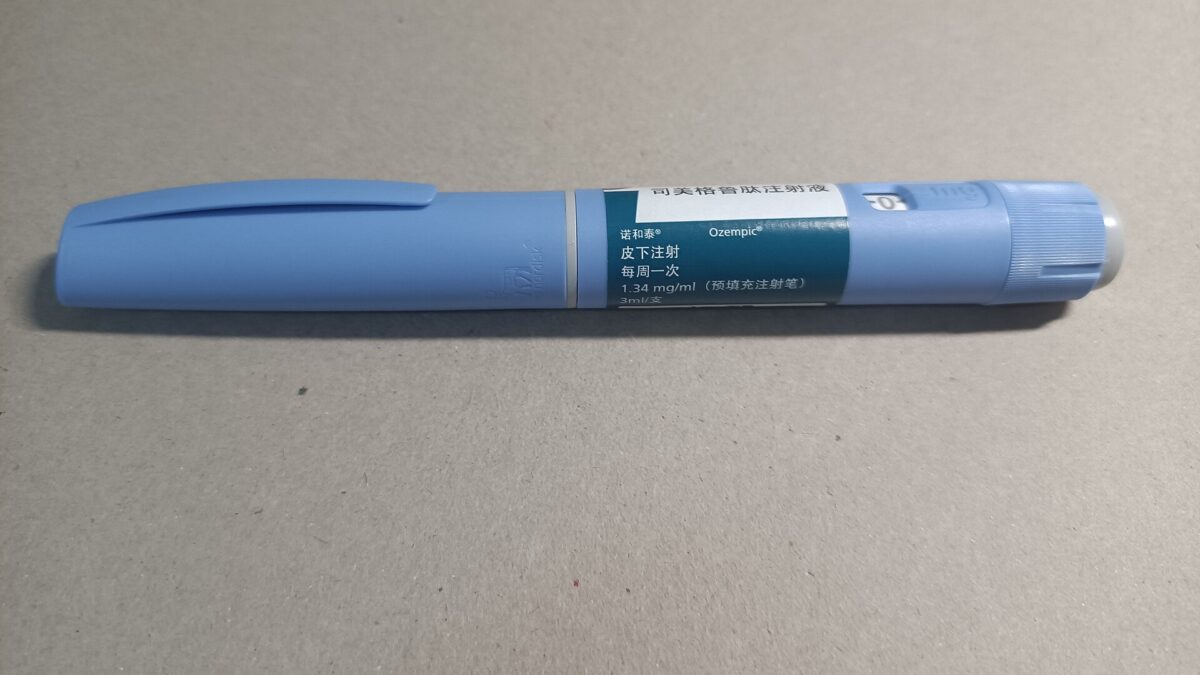
NEW YORK, Nov. 27 (TodayViralUSA) — The rapid spread of GLP-1 weight-loss drugs such as Ozempic, Wegovy and Zepbound is beginning to show up in Americans’ shopping baskets, with users spending less on food and more on clothing, according to new research from Oxford Economics.
“GLP-1s are no longer a niche story for the U.S. economy,” Oxford Economics U.S. economist Grace Zwemmer wrote in a report cited by CBS News. “Faster adoption and broader access will continue to drive a reallocation of consumer spending away from food and toward apparel.”
Adoption running ahead of forecasts
The firm projects that roughly 60 million Americans will be using the drugs by 2030 — about double the current number, and well above earlier estimates. JPMorgan predicted in February that 25 million Americans would be taking the medication by the end of the decade, Fortune noted. More than 1.1 million Medicare beneficiaries have signed up for discounted GLP-1s under a pilot program introduced this year.
Less food, more clothes
Oxford Economics estimates that the average household using GLP-1s cuts its spending on food — at home and at bars and restaurants — by about $500 a year. That is consistent with a 2024 study by Cornell University and Numerator, which found that households with at least one user cut grocery spending by 5.3% within six months, led by a 10.1% drop in savory snacks and declines in sweet bakery goods. Users bought more yogurt and fresh produce.
The shift is large enough that the drugs are helping “keep a lid on food inflation,” according to Oxford Economics.
Some of that money is going to new wardrobes. The report estimates users spend about $200 more a year on clothing as they replace outfits after losing weight; retail forecasting firm Impact Analytics found they favor smaller sizes and, in some cases, more fitted styles. “Scaled up to our estimate of nearly 40 [million] users entering 2027, this would translate to an $8 [billion] uplift in apparel spending next year,” Zwemmer wrote.
Health gains — and a budget cost
Zwemmer noted that a healthier population could increase labor supply if workers are able to stay on the job longer. But broader use also carries a fiscal price. She estimates that Medicare coverage of GLP-1s for weight loss will add close to $18 billion to the federal deficit by 2034, with a cumulative cost from 2026 to 2034 of about $107 billion — roughly three times the Congressional Budget Office’s earlier estimate.
The findings are projections of household spending patterns. Shares of food retailers and restaurant chains such as Walmart and McDonald’s have rallied in recent months, and analysts caution that the drugs’ long-term effect on company sales has yet to be clearly established.
Sources & Credits
- CBS News: Here’s how GLP-1 drugs are changing people’s shopping habits
- Fortune: US federal budget has an $18 billion hole by 2034 due to GLP-1s, writes Oxford Economics
- Benzinga: Walmart, McDonald’s Are Rallying: GLP-1 Drugs Say the Food Trade Won’t Last
Image: An Ozempic (semaglutide) pre-filled injection pen (file photo). Photo: HualinXMN, CC BY-SA 4.0, via Wikimedia Commons.


Join the conversation