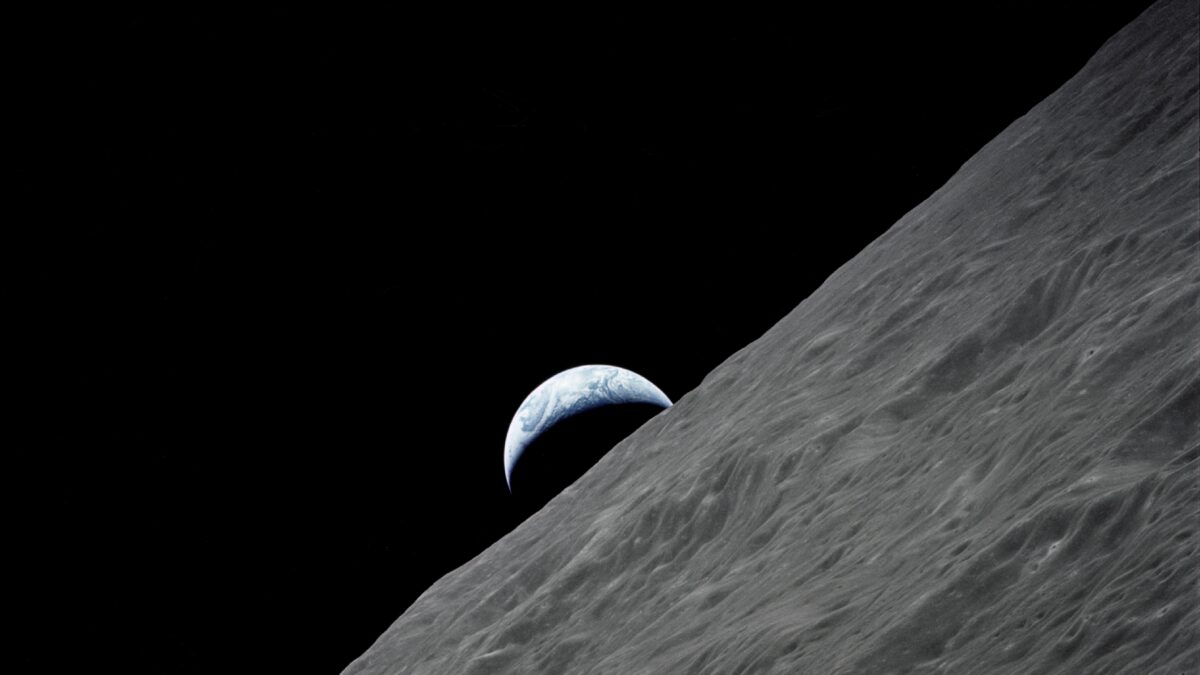
HOUSTON, Oct. 12 (TodayViralUSA) — Astronauts on NASA’s Artemis II mission saw yellow, brown, green and “almost swamp-like” hues across the lunar surface during their April flyby, according to a new 130-page science report that argues human eyes still outperform cameras for planetary geology.
The Artemis II Preliminary Lunar Science Report, released this month, draws on 814 gigabytes of photo, video and audio recorded from the Orion capsule as commander Reid Wiseman, pilot Victor Glover, and mission specialists Christina Koch and Jeremy Hansen skimmed within about 4,000 miles (6,400 kilometers) of the moon on April 6.
Aristarchus Plateau’s “jaundiced cheek”
One standout region was the Aristarchus Plateau on the moon’s near side, a volcanic highland packed with dark lava deposits and colorful pyroclastic glass. Koch compared the scene to “a yellow snow-capped mountain,” later calling it “a jaundiced cheek of the Moon.”
“There are so many colors now,” Glover reported while photographing the area. “There’s also a green. I see brown, especially Aristarchus and north toward the north pole. … It kind of flows down from the north in brown streaks.”
Report authors say the yellow-orange and green tones may track titanium-rich and magnesium-rich volcanic glass beads — materials similar to samples returned by Apollo 15 and Apollo 17.
Orientale Basin’s “chaos”
Crossing onto the lunar far-side limb, the crew fixated on Orientale Basin, a vast multiring impact structure rarely seen well from Earth. Wiseman said the basin had “created chaos across that entire area.” Koch described the outermost ring’s palette as “almost swamp-like,” while Glover noted “dusted peaks” and white ridge spines.
Those color contrasts matter for Artemis planners: different mineral signatures can flag safer landing zones, resource prospects and sites worth visiting as agencies prepare for longer lunar stays.
Why crews still matter
The astronauts trained for more than two years to describe geology in flight, including Earth crater fieldwork, classroom study and simulated flybys. The report concludes that continuous human interpretation — weaving context with what cameras capture — remains a scientific asset no orbiter alone can fully replace.
“It’s quite a wicked view,” Glover told mission control — a casual line that now sits inside a document NASA hopes will guide the next wave of lunar exploration.
Sources & Credits
- NASA Science: Artemis II Preliminary Lunar Science Report
- Live Science: ‘Swamp-like colors’ on the moon — Artemis II report
- NASA: Releases Artemis II lunar science data, images
Image: NASA (Public domain) via Wikimedia Commons — The Moon photographed during Apollo 17 (file photo).

Join the conversation