ATLANTA, Oct. 27 (TodayViralUSA) — Infections that no longer respond to standard antibiotics and antifungal drugs kill an estimated 50,800 people in the United States each year, the Centers for Disease Control and Prevention said Tuesday in a long-awaited update to its national report on drug-resistant germs.
The agency’s 2026 Antimicrobial Resistance Threats Report estimates that 19 drug-resistant bacteria and fungi caused about 9.7 million infections in a single year, based on 2023 data. It calls the problem a “growing threat to Americans.”
“Antimicrobial resistance threatens modern medicine and puts millions of Americans at risk every year,” CDC Director Dr. Erica Schwartz said in a statement.
Four germs ranked ‘urgent’
The CDC places four pathogens in its highest category, meaning they require urgent and aggressive action:
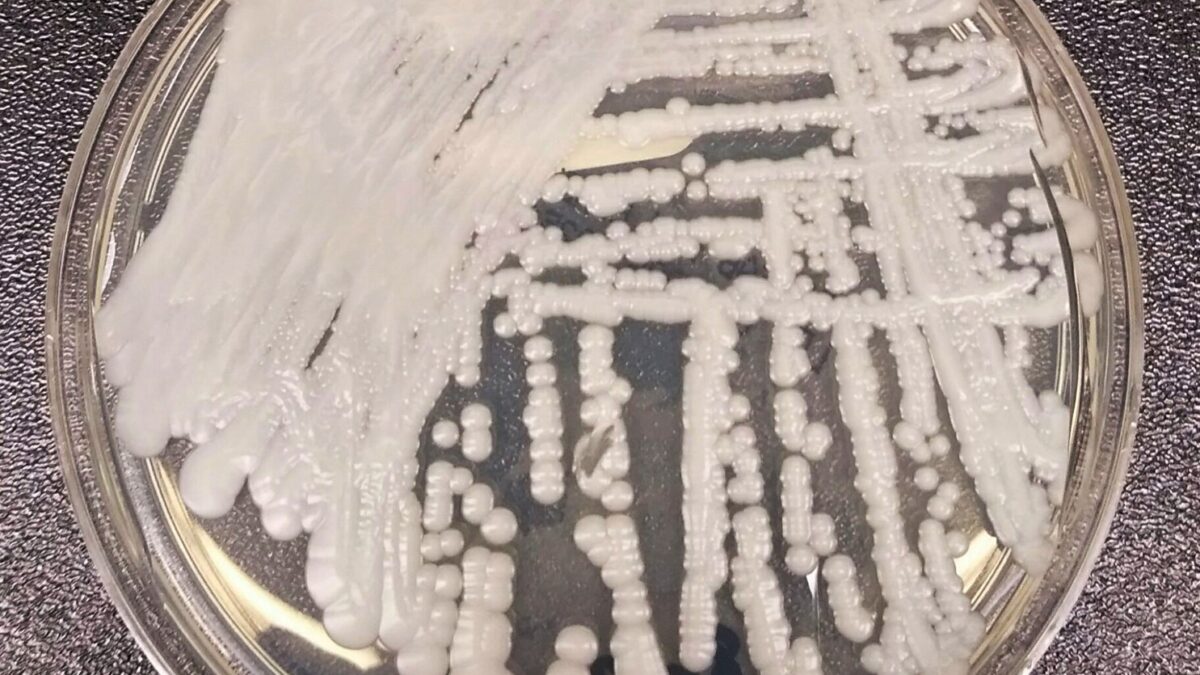
- Candida auris, a fungus that spreads mainly in hospitals and nursing homes and can cause severe bloodstream infections. Reported cases jumped more than 50% from 2022 to 2023.
- Drug-resistant gonorrhea, with an estimated 787,000 resistant infections in 2023.
- Carbapenem-resistant Enterobacterales, gut bacteria such as E. coli that resist some of the strongest antibiotics available. They caused an estimated 14,878 infections among hospitalized patients and 1,252 deaths in 2023.
- Carbapenem-resistant Acinetobacter, another hospital-linked bacterium that can cause severe infections.
New threats, and one success story
Drug-resistant Neisseria meningitidis, the bacterium behind meningococcal meningitis, was added as a serious threat. Unlike most germs on the list, it spreads in everyday settings through close contact, such as sharing drinks or living in college dorms, which the CDC says reflects rising resistance in the community.
The agency also added drug-resistant ringworm and other skin fungi, drug-resistant Haemophilus influenzae and nontuberculous mycobacteria to a watch list of potential threats whose full burden is not yet understood.
There was progress, too. C. diff, a gut infection often triggered by antibiotic use, was downgraded from urgent to serious after infection rates fell 21% between 2018 and 2020 and then held steady, a decline the CDC credits largely to infection-prevention efforts in health care settings. It still caused an estimated 412,504 infections in 2023.
Why the totals rose
The new figures are higher than in the CDC’s last full report in 2019, but the agency cautions against direct comparisons. It says its data sources and methods changed substantially for every pathogen except C. auris, making the 2026 report its most comprehensive estimate to date.
Infections picked up in hospitals and other health care facilities accounted for nearly $12 billion in health care costs in 2023, the report found. The CDC advises taking antibiotics only when prescribed, noting they do not work against viruses such as those that cause colds and flu, and urges regular handwashing and staying current on recommended vaccines.
Sources & Credits
- CDC: Antimicrobial Resistance Threats Report (2026)
- ABC News: Drug-resistant germs are ‘growing threat’ to US, causing more than 50,000 deaths annually: CDC
- NBC News: CDC warns of rising threat of drug-resistant germs, which kill 50,000 people per year
Image: Candida auris cells under a microscope, by Shawn Lockhart, Centers for Disease Control and Prevention, public domain, via Wikimedia Commons.


Join the conversation