WASHINGTON, Nov. 23 (TodayViralUSA) — Scientists exploring the walls of the Mariana Trench have found the deepest volcanic deposits of their kind ever discovered on Earth, and they say the find may help explain why Challenger Deep is the deepest point in the world’s oceans.
The research, published Monday in the journal Frontiers in Earth Science, was led by geoscientist Robert Stern, an emeritus professor at the University of Texas at Dallas, Science News reported.
A robot at 6,000 meters
Challenger Deep lies within the Mariana Trench, a crescent-shaped gash in the Pacific seafloor east of the Philippines, and plunges to roughly 11,000 meters (about 36,000 feet) below sea level. The trench marks a subduction zone, where the Pacific plate dives beneath the Mariana plate and bends downward into the mantle.
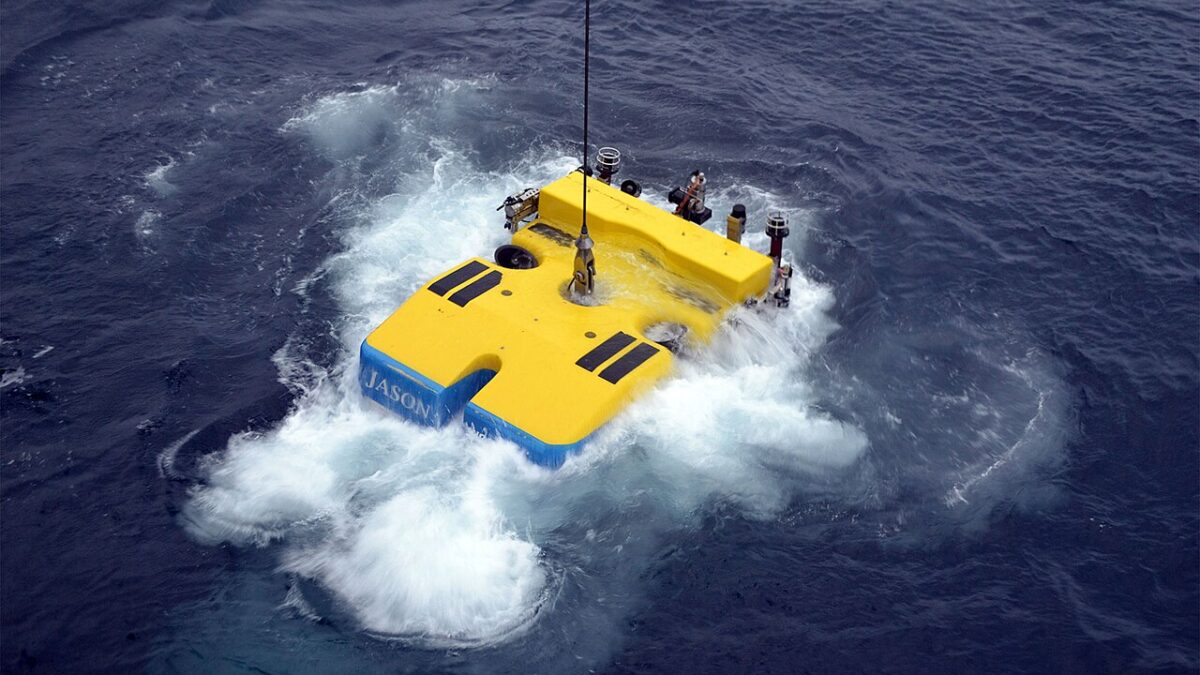
Stern’s team sent the remotely operated vehicle Jason/Medea to depths of more than 6,000 meters to examine the seafloor around the edges of Challenger Deep. The rocks they found contained pyroclastic deposits, material normally associated with explosive volcanic eruptions, including platelike blocks that could reflect pulses of eruption and lobe-shaped rocks where volcanic flows came to a stop and cooled quickly.
Two puzzles, one explanation
The discovery posed two problems. First, explosive volcanism should not be possible at such depths, because the immense water pressure prevents gases in magma from expanding violently. Second, the deposits sat unusually close to the trench — about 100 kilometers away, rather than the several hundred kilometers typical of volcanic island arcs at subduction zones.
The researchers propose that both observations fit a single idea: the Pacific plate bends especially sharply as it sinks beneath Challenger Deep. A steeper plunge would bring volcanic activity closer to the trench and could also help account for the site’s extraordinary depth.
As for the eruptions themselves, Stern said the team cannot yet say whether they were truly explosive. One possibility is a new kind of deep-sea eruption in which water escaping from magma starts out as a supercritical fluid, limiting explosive expansion while still producing the fragmented, dense deposits the robot observed.
‘Mind-boggling’
William Chadwick, a geologist at Oregon State University who was not involved in the study, called the discovery “surprising and unprecedented” and said Challenger Deep may be the only place on Earth with the ingredients for explosive volcanism in the super-deep ocean. “Imagining this happening is … pretty mind-boggling,” he told Science News.
Stern cautioned that much more work is needed to test the team’s ideas. “But a lot of things are now coming together,” he said.
Sources & Credits
- Science News: Motion under the ocean explains the depth of the world’s deepest spot
- Frontiers in Earth Science: R. J. Stern et al., “ROVing in the deep: tectonic and magmatic complexities of the Challenger Deep forearc segment”
Image: The remotely operated vehicle Jason is launched from the R/V Atlantis in 2019. Photo by the Ocean Observatories Initiative / University of Washington, public domain, via Wikimedia Commons.


Join the conversation