ATLANTA (TodayViralUSA) — Detections of a rare and often deadly mold that attacks the brain rose about fourfold in two years at a major U.S. clinical reference laboratory, according to a report published by the Centers for Disease Control and Prevention, and researchers say they do not know why.
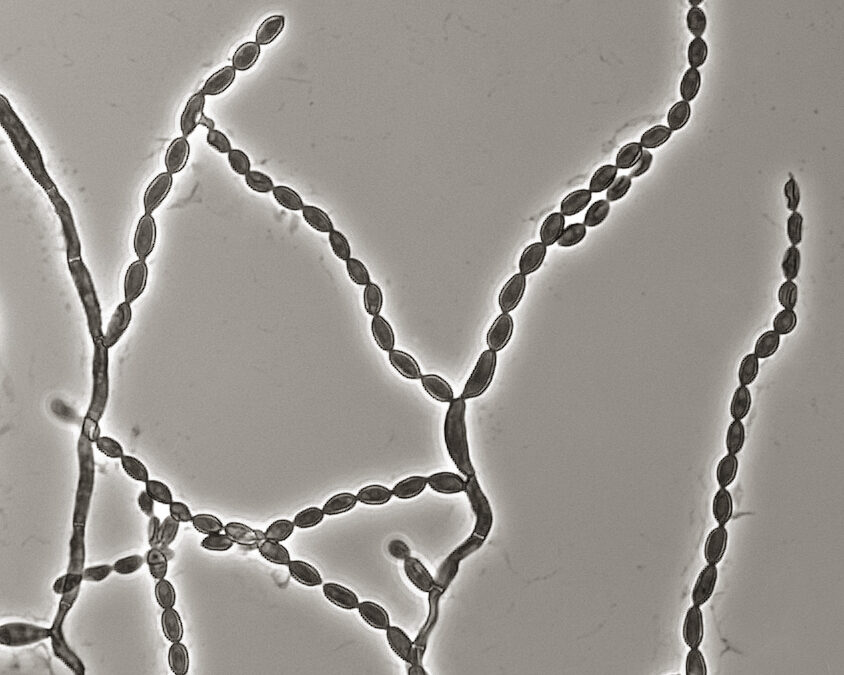
The fungus, Cladophialophora bantiana, is a dark-pigmented mold that most often causes brain abscesses. Infection carries a case-fatality rate of 60% to 70% even with aggressive treatment, and about half of patients have no prior condition that weakens the immune system, the report said.
From a handful a year to 14
The findings, published as “Notes from the Field” in the CDC’s Morbidity and Mortality Weekly Report, draw on testing at the University of Washington’s molecular microbiology laboratory, which receives specimens from hospitals across the country. From January 2009 through July 2026, the lab identified 48 confirmed cases and one probable case.
Through 2023, the lab detected between one and five cases a year. That rose to eight in 2024 and 14 in 2025. To rule out the possibility that the lab was simply testing more samples, the authors compared detections with the number of brain and spinal tissue specimens submitted. The rate climbed from an average of 8.4 cases per 1,000 specimens during 2017-2023 to 26 per 1,000 in 2025, an increase of 210%.
Cases in 21 states and D.C.
The patients’ median age was 68. About 88% of detections came from tissue inside the skull, and the rest from lung samples, which the authors said supports the theory that the fungus is inhaled. The cases originated in 21 states and the District of Columbia, led by California with six, Florida and Texas with five each, and Pennsylvania with four.
“Reasons for the apparent increase are unknown,” the authors wrote, calling for further research into risk factors and potentially evolving virulence.
Limits of the data
The report does not represent national surveillance, which does not exist for this fungus, and it reflects results from a single laboratory. Researchers had limited information on patients’ occupations, exposures or outcomes. The mold has rarely been found in the environment, and its natural reservoir and exact route of infection remain poorly understood.
The authors urged systematic reporting of cases and advised clinicians to consider the fungus in patients with signs of a brain abscess. They noted that prompt antifungal therapy is needed, that a combination of three antifungal drugs has shown some effectiveness, and that surgical removal or drainage of abscesses was linked to better outcomes in a French study.
Sources & Credits
- CDC, Morbidity and Mortality Weekly Report: Notes from the Field: Molecular Detections of Cladophialophora bantiana at a Clinical Reference Laboratory — United States, 2009–2026
- Contagion Live: Neurotropic Fungus Infection Cases Increase Four-Fold
- Medical Daily: Brain-Infecting Mold Detections Rose at One U.S. Lab, but 49 Cases Since 2009 Cannot Show National Risk
Image: Cladophialophora bantiana under the microscope (strain UAMH 10767), by Medmyco, CC BY-SA 4.0, via Wikimedia Commons.



Join the conversation