GRAND RAPIDS, Mich., Nov. 24 (TodayViralUSA) — A routine shot that has protected newborns from a rare but devastating bleeding disorder since the 1960s is being turned down by a growing number of American parents, and doctors say the consequences are now showing up in hospital wards, according to a joint investigation by NPR and KFF Health News.
Nationally, the share of newborns who did not receive an intramuscular vitamin K injection more than doubled from 3.1% in 2017 to 6.8% in 2025, according to research published in JAMA in November. Physicians at multiple U.S. hospitals told KFF Health News they now regularly see infants with life-threatening bleeding caused by vitamin K deficiency, some of whom have died or been left with lasting brain injuries.
Why the shot matters
Babies are born with very low levels of vitamin K, which the body needs for blood to clot. The injection, usually given within six hours of birth, prevents vitamin K deficiency bleeding (VKDB), which can include bleeding in the brain. The Centers for Disease Control and Prevention says the shot is safe, with virtually no severe side effects.
Among babies who receive it, fewer than 1 in 100,000 develop the most serious form of the condition. Babies who go without are 81 times more likely to develop it, and about 1 in 5 of those who do will die, according to the CDC. The JAMA study, based on records of more than 5 million infants, also found that babies who missed the shot had a 47% higher risk of bleeding in their first six months, Healthline reported.
A case that changed one doctor’s approach
At Corewell Health’s Butterworth Hospital in Grand Rapids, at least one family a day on average refuses the injection. Pediatrician Torrie LeBlanc described a baby girl whose parents had declined the shot and who, about 36 hours after birth, suddenly began bleeding from her eyes, nose and rectum. Staff rushed her to neonatal intensive care for transfusions of plasma and other blood products before the parents agreed to vitamin K. She survived — doctors believe only because she was still in the hospital.
LeBlanc and colleagues launched an initiative to reduce refusals. Two years in, refusal rates at the hospital have held flat, even as refusals of other standard newborn treatments, including the hepatitis B vaccine, continue to rise. “I honestly thought it would be easier,” LeBlanc said. “The more people I talk to, the more I learn about the misinformation that’s online and the different reasons that people are refusing.”
Misinformation and mistrust
Doctors link the rise in refusals to the broader anti-vaccine movement and distrust of the medical system, even though vitamin K is a nutrient, not a vaccine. Conservative influencers have suggested the shot is tied to childhood cancer, and wellness personalities on podcasts and social media have called it unnecessary or harmful, NPR reported. When Health and Human Services Secretary Robert F. Kennedy Jr. was asked at a congressional hearing in April to assure parents the injection was safe, he replied, “I’ve never said anything about vitamin K.”
Changing the conversation
The Grand Rapids team created a fact sheet for parents, gave nurses a standard script presenting vitamin K, the hepatitis B vaccine and erythromycin eye ointment as the standard of care, and trained staff in motivational interviewing, a technique that emphasizes listening and respect for parents’ autonomy. LeBlanc said she persuades about half of initially reluctant parents; colleagues report success rates of 20% to 40%.
“We have to practice humility, to sit there and listen, and then come back the next day and sort of use that nudge approach,” said Jaspreet Loyal, a pediatrician at Yale New Haven Hospital who has long researched vitamin K refusal.
Some physicians now argue for offering oral vitamin K to families who reject the injection, a contested approach because oral dosing is less effective, requires repeated doses over weeks or months, and has no federally approved product. “The injection is the gold standard,” LeBlanc said. “However, I would rather have them have some protection with the oral than no protection at all.”
Sources & Credits
- NPR / KFF Health News: Doctors struggle to save babies after parents refuse vitamin K
- Healthline: Infant Bleeding Cases Surge as More Parents Refuse Vitamin K Shots for Newborns
- Reuters: US infant bleeding episodes jump as vitamin K refusals rise, two studies find
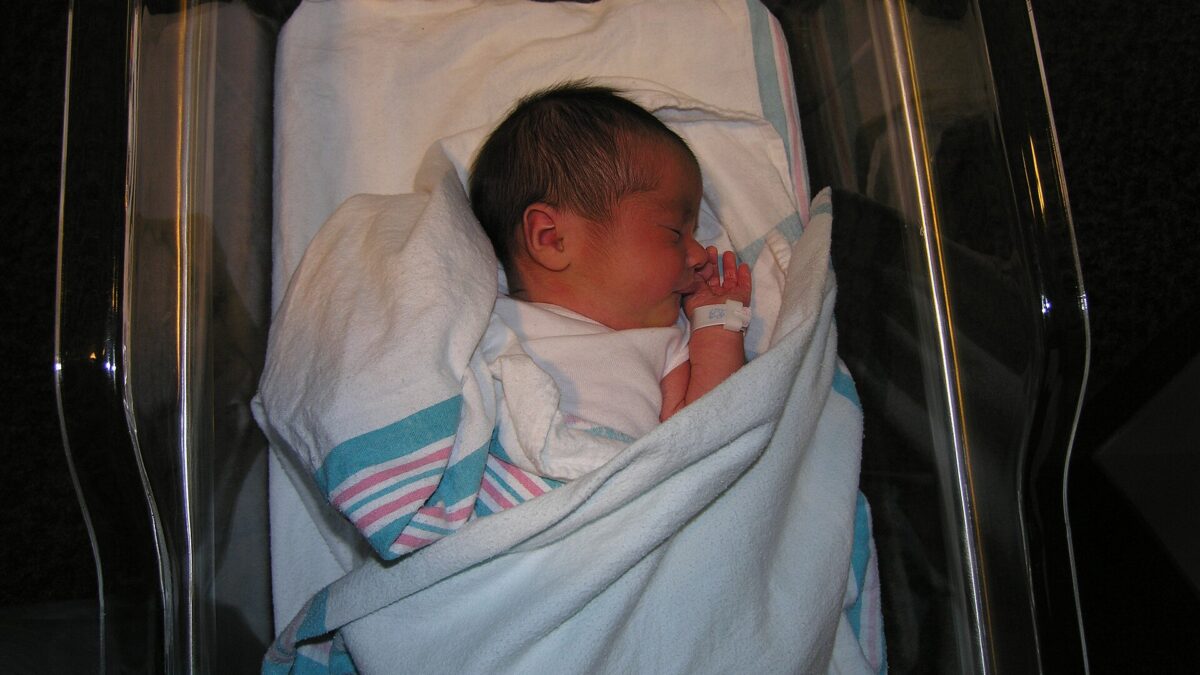
Image: A newborn rests in a hospital bassinet. Photograph by Bonnie U. Gruenberg, CC BY-SA 3.0, via Wikimedia Commons.
Join the conversation