Nov. 21 (TodayViralUSA) — Blood pressure-lowering medication is considerably more likely to prevent heart attacks and strokes than to cause serious falls, even among older adults living with frailty, according to a large study led by researchers at the University of Oxford.
The research, published in Nature Communications, analyzed anonymized primary care records from more than 5.5 million patients aged 40 and older in England. Its findings address a common dilemma for doctors: whether the risks of side effects such as dizziness and falls outweigh the cardiovascular protection the drugs provide, particularly for vulnerable older patients.
Eight events prevented for every two falls
The team estimated that, for every 1,000 patients treated over 10 years, blood pressure medication would prevent about eight serious cardiovascular events, such as heart attacks and strokes, while causing about two serious falls.
The balance was even more favorable in some higher-risk groups. Treating 1,000 men in their 80s with moderate frailty for a decade was estimated to prevent 47 serious cardiovascular events while causing nine serious falls. Among 1,000 fit men in their 60s with no history of heart disease, the estimate was 12 events prevented and one serious fall caused.
A more nuanced picture for other side effects
The results were less clear-cut for other adverse effects. For fainting and acute kidney injury, the researchers found the benefits and harms of treatment to be more finely balanced. For low blood pressure and elevated potassium levels, the models suggested treatment could cause more of those events than the cardiovascular events it prevented, although the authors noted these side effects are generally less serious than a heart attack or stroke.
A new risk tool
To reach their estimates, the researchers built a cardiovascular risk calculator called STRATIFY-CVD using routinely collected National Health Service records. Unlike some widely used tools, it can be applied to people who have already had a heart attack or stroke, those taking cholesterol-lowering drugs and the very oldest patients, and it accounts for the chance that a person dies of another cause first.
The model performed accurately when tested against an independent set of patient records and generally produced lower risk estimates than the QRISK2 calculator, suggesting some existing tools may overstate cardiovascular risk. The team combined its predictions with existing models of side-effect risk and evidence from clinical trials.
“Deciding whether to prescribe blood pressure medication isn’t always straightforward, particularly when someone is older, living with frailty or several other health conditions,” said James Sheppard, a professor in Oxford’s Nuffield Department of Primary Care Health Sciences and the study’s senior author. He said the work was “an important step toward giving doctors and patients a clearer, more personalized picture of what treatment might mean for them.”
Why it matters
High blood pressure is the leading risk factor for cardiovascular disease and death worldwide. The researchers said their findings could inform future treatment guidelines and support more confident, individualized prescribing. The study was funded by the Wellcome Trust and the Royal Society through a Sir Henry Dale Fellowship, and by the National Institute for Health Research School for Primary Care.
Patients should not stop or change their medication without first speaking with their doctor.
Sources & Credits
- Nature Communications: Benefits and harms of antihypertensive treatment: a modelling study in 5.5 million electronic health records
- University of Oxford via Medical Xpress: Blood pressure medication more likely to prevent heart attacks and strokes than cause serious falls, study finds
- University of Oxford, Nuffield Department of Primary Care Health Sciences: News release
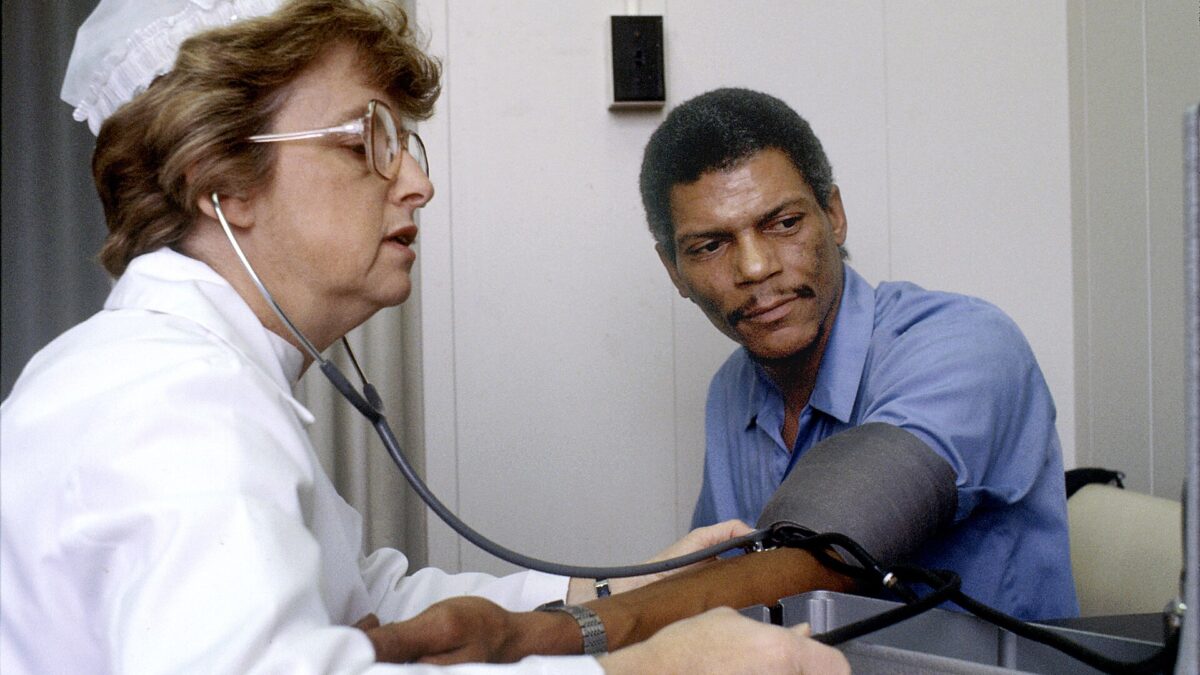
Image: A nurse checks a patient’s blood pressure. Linda Bartlett, National Cancer Institute, Public domain, via Wikimedia Commons.



Join the conversation