WASHINGTON, Nov. 20 (TodayViralUSA) — The FBI is investigating an apparent breach of the National Crime Information Center, the nationwide database that links federal, state and local law enforcement agencies, according to two people briefed on the matter who spoke to CNN and NBC News on Friday.
The disclosure comes days after the U.S. Department of Agriculture was hit by a cyberattack, and amid heightened concern in Washington over a string of high-profile technology failures affecting banks, the National Security Agency and the Federal Aviation Administration’s air traffic control system.
A critical law enforcement system
The NCIC is used by police departments and other agencies across the country to share information on outstanding warrants, wanted fugitives and background checks. Investigators discovered the latest intrusion in recent days, CNN reported, describing it as the second such breach in recent months. The FBI did not immediately respond to requests for comment, and it has not said who may be responsible.
A former FBI official who led investigations into cybercriminal groups told CNN that the greater risk may lie in the integrity of the data rather than its exposure. “My concern isn’t simply whether hackers gained access to sensitive information, although that is an issue, but whether they could compromise the accuracy of the information that officers rely on,” the former official said.
On Thursday, after bureau officials learned of the incident, FBI Director Kash Patel appeared on Fox News to promote the agency’s cybersecurity work, including Operation Winter Shield, an effort that urged companies to update their systems.
Earlier incidents
In September, a hacking group known as ShinyHunters claimed to have stolen personal data on FBI employees through the bureau’s jobs website, and the FBI opened an investigation. A Canadian cybersecurity researcher has since been arrested and charged in connection with that breach, according to CNN.
USDA payment system targeted
Separately, USDA employees were told on Thursday that one of the department’s systems had been targeted. Officials familiar with the matter told NBC News that the affected system is used to pay farmers and that, as of Friday, no other systems had been hit. Former officials warned that the intruders could seek to reach more sensitive information at the agency, which oversees much of the nation’s food safety.
Broader cybersecurity concerns
The breaches follow a week of disruptions across the public and private sectors. Sen. Mark Warner of Virginia, the top Democrat on the Senate Intelligence Committee, said Wednesday that the available evidence indicated the recent outages were not caused by cyberattacks, while cautioning that artificial intelligence may have contributed to system vulnerabilities.
The White House confirmed on Thursday that National Cyber Director Sean Cairncross is leaving his post.
Update — November 21, 2026
President Donald Trump said on Saturday that he was unhappy about the reported intrusion into the FBI’s National Crime Information Center, telling Fox News in a phone interview, “It’s not good. I don’t like that.” He added that “maybe we’ll learn things that we would have never learned otherwise.”
Mr. Trump went on to suggest the breach could expose information related to the Russia investigation, which he has long called a hoax, and to alleged voter fraud, which he did not support with evidence. “I wonder who’s doing it, because wouldn’t it be great to learn about Russia, Russia, Russia?” he said, according to Anadolu Agency and Axios. It remains unclear who was behind the breach or what data may have been obtained; the FBI has not publicly commented.
Update sources: Axios; Anadolu Agency.
Sources & Credits
- CNN: The FBI was hacked again, this time the breach targeted its crime database
- NBC News: FBI investigating potential breach of its crime database
- NBC News: Agriculture Department breached by hackers, sources say
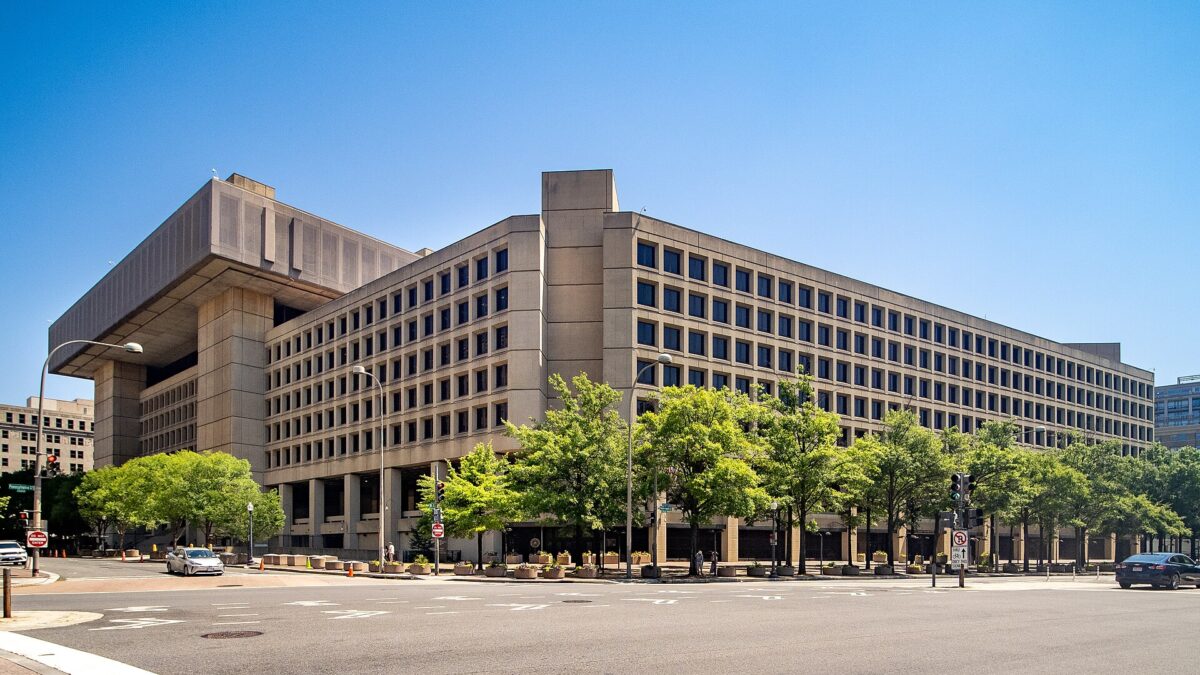
Image: FBI Headquarters, J. Edgar Hoover Building, Washington, D.C. ajay_suresh, CC BY 2.0, via Wikimedia Commons.


Join the conversation