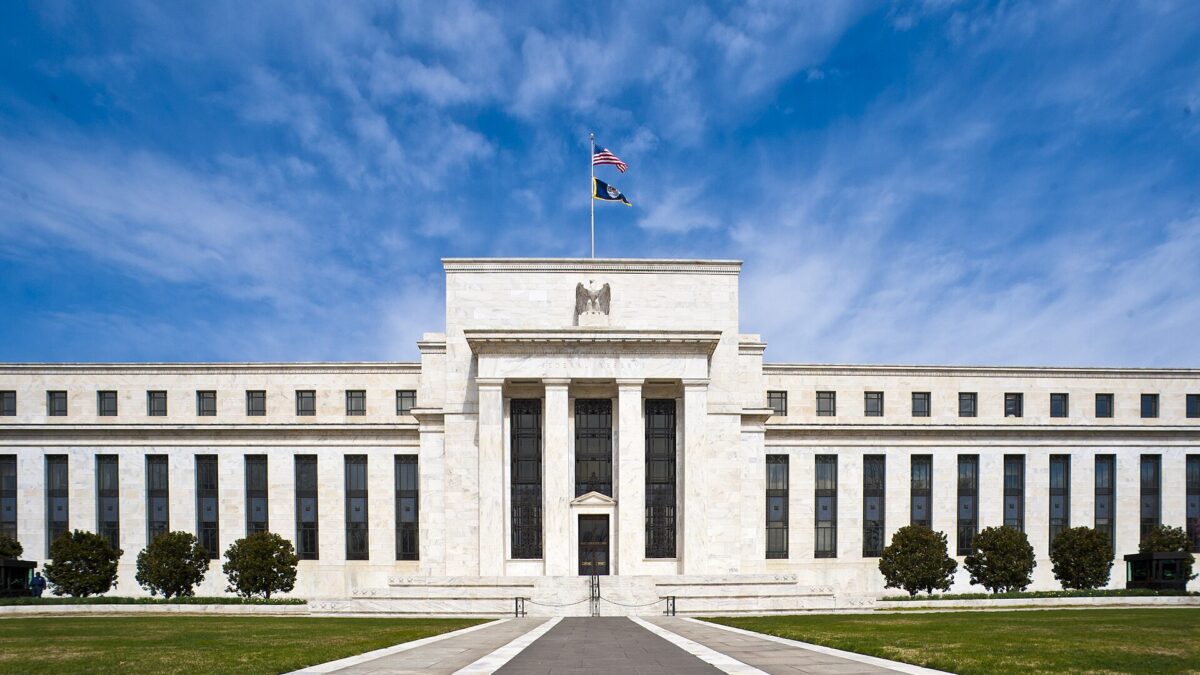
WASHINGTON — The Federal Reserve raised interest rates on Wednesday for the first time in more than three years, lifting its benchmark rate by a quarter percentage point in an effort to contain inflation that has accelerated as the war with Iran drives up energy prices.
The central bank’s policy committee voted unanimously to increase the federal funds rate to a range of 3.75% to 4%, from 3.5% to 3.75%. The decision came despite public pressure from President Donald Trump, who has repeatedly called for lower rates.
Warsh: Inflation “Too High”
“The plain fact is inflation is too high, and has been for too long,” Fed Chair Kevin Warsh said, describing the move as a “sober” and “responsible decision.” The Fed signaled that further increases are possible if price pressures do not ease.
The rate hike is the first major policy shift under Warsh, who was confirmed as chair in May. His appointment had been watched closely for signs of whether he would accommodate the president’s calls for cheaper borrowing.
Trump Objects
Trump criticized the decision, saying rates “should be 1%, or less, because we are the Best Credit in the World – BY FAR,” and urged the Fed to lower them quickly. A senior Democrat responded that the president would “blame anyone but himself for this rate hike,” according to the BBC.
Energy Shock Fuels Prices
Global oil prices have surged since the U.S. and Israel launched military operations against Iran in late February, raising the cost of gasoline and diesel and feeding into the prices of goods and services more broadly. Inflation has remained above the Fed’s 2% target for five years.
The Fed had initially been expected to look past the energy-driven spike, as central banks often do with supply shocks. But as higher fuel costs persisted and spread into other categories, policymakers shifted toward tightening.
What It Means for Consumers
Higher benchmark rates typically translate into higher costs for credit cards, auto loans, adjustable-rate mortgages and business borrowing, while improving returns on savings accounts and certificates of deposit. Central banks raise rates to cool spending and encourage saving in an effort to slow price increases, but tighter policy also risks weighing on business investment and economic growth.
The decision follows a sharp rise in long-term borrowing costs this summer, with yields on 30-year Treasury bonds reaching their highest levels in nearly two decades in August.
The Fed’s last series of increases ran from March 2022 to July 2023, when it lifted rates aggressively to combat the highest inflation in four decades before beginning to cut in 2024.
Sources & Credits
Image: Federalreserve, Public domain, via Wikimedia Commons.


Join the conversation