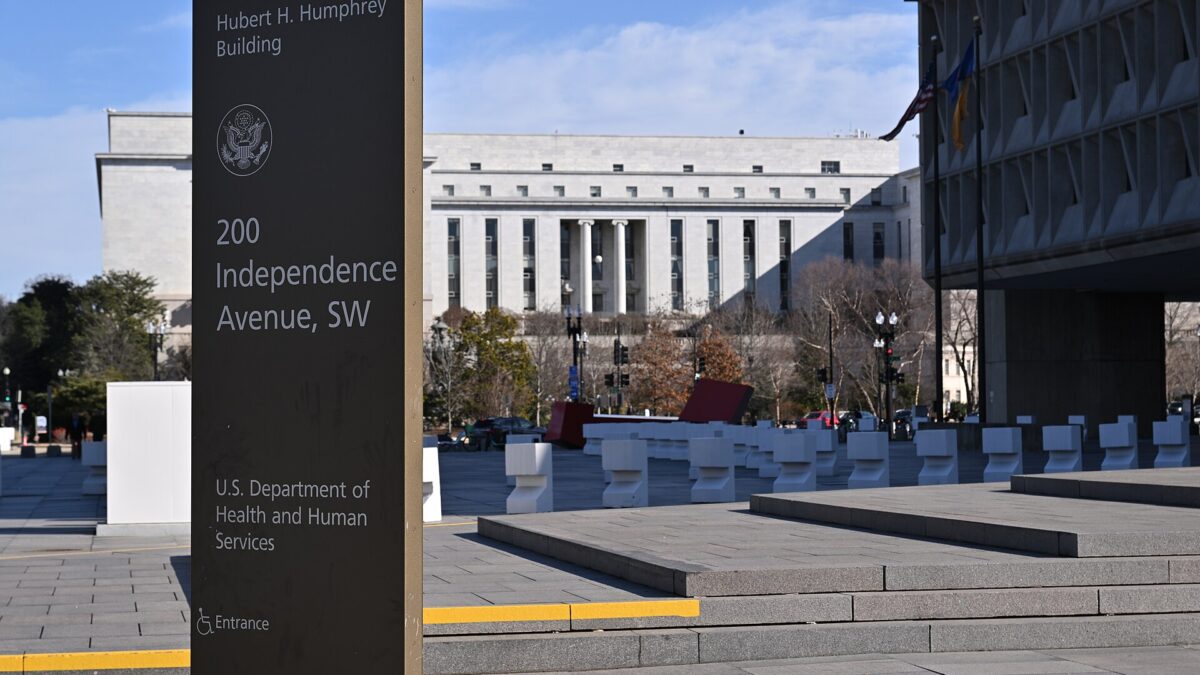
WASHINGTON, Oct. 30 (TodayViralUSA) — The Department of Health and Human Services will no longer move against small compounding pharmacies that make six popular “wellness” peptides, opening a legal path to products that have never been approved by the Food and Drug Administration and have largely been sold on a gray market.
The interim policy, pushed forward by Health Secretary Robert F. Kennedy Jr., was announced Wednesday and is scheduled for formal publication in the Federal Register on Friday. It covers BPC-157, TB-500, epitalon, MOTS-c, KPV and semax, which are promoted for uses ranging from wound healing and inflammation to insomnia, metabolic health and migraine, though those benefits are largely unproven.
What the policy allows
Under the policy, HHS says it does not intend to take enforcement action against state-licensed pharmacies, federal facilities or licensed physicians that compound the six peptides while the FDA continues rulemaking on which bulk ingredients may be used in compounding. It does not amount to FDA approval.
The discretion comes with conditions. Each product must be made for a specific patient under a valid prescription and contain only one of the listed peptides. The raw ingredient must come from an FDA-registered manufacturer that follows good manufacturing practices and must carry a certificate of analysis. Serious side effects and quality problems must be reported to the FDA’s MedWatch program and state authorities, and labels must say the product is compounded and not for resale. Each peptide is limited to set routes of use, such as injections for TB-500 and a nasal form for semax, according to a summary by the law firm BakerHostetler.
The policy applies only to smaller 503A compounding pharmacies, not to the larger 503B outsourcing facilities that make drugs in bulk, and it does not cover products sold as research chemicals or dietary supplements. HHS said it may revise or withdraw the policy if safety or quality concerns emerge. The public can comment for two weeks after publication.
Advisers and FDA scientists split
A panel of FDA advisers voted in July to recommend allowing the six peptides in compounding, arguing it would be safer than illicit “research use only” products often sourced from overseas suppliers, NPR reported. The FDA’s own scientists recommended against loosening the restrictions. Reuters reported that several panel members had ties to businesses or clinics that sell peptides; HHS has said all members cleared standard ethics checks.
Public Citizen’s Dr. Robert Steinbrook warned that the policy could expose patients to contamination, impurities and unknown side effects, and said the substances should go through the normal drug approval process.
Supply may lag demand
Pharmacists say patients should not expect broad access right away. Ingredient suppliers must show their products meet the new requirements, and pharmacies must verify them. One compounding executive told NPR his company would likely make only one of the six peptides at first and doubted that small pharmacies nationwide could meet demand.
Sources & Credits
- Federal Register: Enforcement Discretion Policy Regarding 503A Compounding Using Certain Peptide Bulk Drug Substances
- BakerHostetler: HHS Issues Enforcement Discretion Policy Regarding 503A Compounding
- NPR: Small compounding pharmacies won’t be penalized for making peptides
- NPR: HHS will let pharmacies make popular peptides not approved by the FDA
- Reuters via Investing.com: US Health Secretary Kennedy opens access to some unapproved peptides
Image: Department of Health and Human Services headquarters sign, Washington, D.C., by G. Edward Johnson, CC BY 4.0, via Wikimedia Commons.

Join the conversation