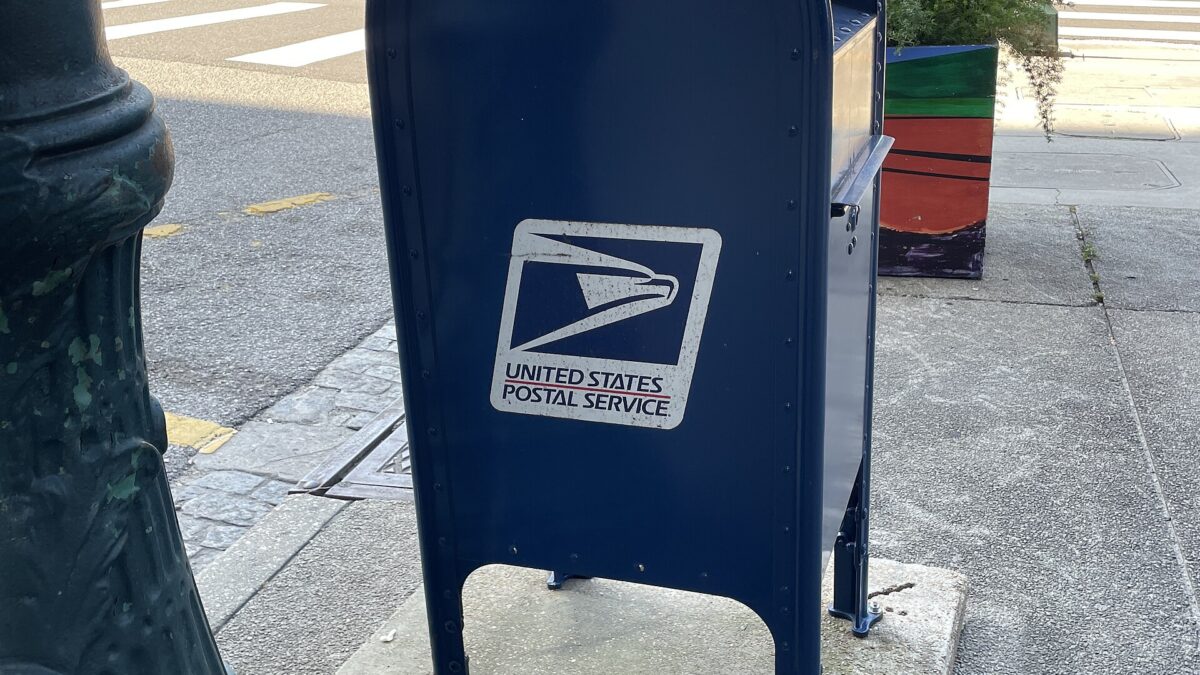
WASHINGTON — The Supreme Court on Monday rejected a request from the Trump administration to allow a new U.S. Postal Service rule restricting election mail to take effect, leaving in place a lower-court order that blocks the policy ahead of the November midterm elections.
The brief, unsigned order keeps intact a preliminary injunction issued by U.S. District Judge Indira Talwani of the District of Massachusetts. Talwani found that the rule would likely violate federal law and the Constitution, which assign primary responsibility for running federal elections to state and local officials.
Court Cites Likely Outcome
“The government is unlikely to succeed on the merits of its challenge to the District Court’s preliminary injunction,” the one-paragraph order said. “And the equitable factors applicable for obtaining emergency relief from this Court do not favor a stay.”
The decision likely ends the administration’s effort to curtail mail voting during the 2026 midterms, according to Roll Call.
Separate Opinions
Justice Brett Kavanaugh agreed with the outcome but wrote separately that the rule itself might ultimately prove lawful. He said implementing it so close to the election would be improper because state and local officials lack sufficient time to adjust their procedures.
Justices Samuel Alito and Clarence Thomas dissented. Writing for both, Alito argued that federal law gives the Postal Service authority to regulate the mail and that the rule should have been allowed to proceed while litigation continues.
Administration’s Argument
In its emergency application, the administration contended that the Postal Service has authority to regulate what is sent through the mail, including by setting new requirements for election ballots. “While the States have primary authority to regulate the manner of elections, they cannot choose to use the federal mails to carry out their elections but then insist that their election-related mail is somehow exempt from the Postal Service’s rulemaking authority,” the government wrote.
The dispute arose amid broader administration efforts to change election procedures, including an executive order President Donald Trump signed in March directing the Department of Homeland Security to compile voter lists and instructing the Postal Service to deliver mail ballots only to people on those lists. Election officials in many states objected, warning that the changes could disenfranchise eligible voters.
Mail Voting’s Role
Mail voting has become a major part of American elections, particularly since the 2020 pandemic-era expansion. Several states conduct elections almost entirely by mail, and many others offer no-excuse absentee voting. Ballots for overseas and military voters are typically sent out at least 45 days before a federal election under federal law.
With early voting set to begin in several states within weeks, election administrators had warned that any late change to mail procedures could cause confusion.
Sources & Credits
Image: Ktkvtsh, CC BY 4.0, via Wikimedia Commons.

Join the conversation