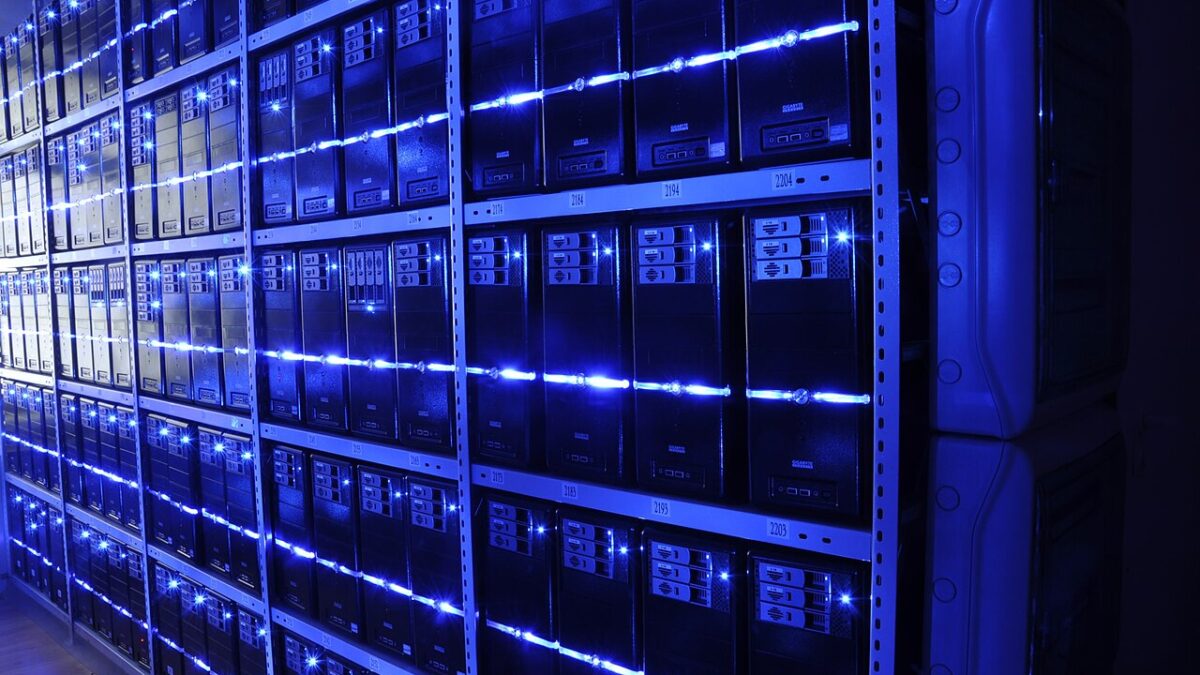
VANDALIA, Ohio, Oct. 4 (TodayViralUSA) — President Donald Trump defended the rapid expansion of artificial-intelligence data centers at a Saturday campaign rally outside Dayton, warning that communities that reject the projects risk handing an advantage to China while urging Ohio voters to back Republican candidates in next month’s midterms.
Speaking at Butler High School in Vandalia, Trump told supporters there was “so much money to be made for Ohio” and that blocking data centers would push investment overseas. “You can’t just turn them off. They’ll go to China,” he said, linking the facilities to what he described as a U.S. lead over Beijing in “superintelligence.”
The president campaigned for Sen. Jon Husted, who faces a competitive Senate race, and for gubernatorial candidate Vivek Ramaswamy. He repeatedly asked the crowd to “pretend that I’m on the ballot” to boost midterm turnout on Nov. 3. Trump also endorsed Husted-backed legislation he said would stop data centers from raising household electricity costs and require developers to “pay their own way,” vowing to sign the Ratepayer Protection Act within 24 hours if Republicans prevailed.
The remarks land amid a bipartisan backlash in several states over the power, water and land demands of AI computing campuses. Utilities may need new generation, substations and transmission lines to serve concentrated loads, raising fears that residential customers could absorb costs if they are spread across the broader rate base. Critics also question tax incentives for projects that can cost billions to build but employ relatively few permanent workers once construction ends.
Ohio has become a focal point. Large campuses serving cloud and AI customers already operate or are planned around Columbus and New Albany, and local reporting has highlighted rate and infrastructure concerns. Some states have paused incentives or tightened permitting; others are experimenting with special utility rates that shift more costs onto developers.
Trump cast his administration as taking “historic action” to ensure surrounding communities benefit from the build-out, while arguing that rejecting projects would cede ground in the global AI race. The stop was part of what he described as a 32-day stretch of rallies after earlier appearances in Texas, Oklahoma and Alabama.
The politics of data centers now sit at the intersection of energy prices, industrial policy and midterm messaging. Whether Ohio voters prioritize jobs and tech investment — or electricity bills and local control — may shape not only the state’s races but the national template for hosting AI infrastructure.
Join the conversation