WASHINGTON, Nov. 20 (TodayViralUSA) — An influential federal advisory panel is poised for the first time to recommend that women ages 30 to 65 be screened for cervical cancer with an HPV test rather than a traditional Pap smear, and to allow them to collect the sample themselves, according to a person familiar with the decision.
Members of the U.S. Preventive Services Task Force voted behind closed doors on Friday at the end of a two-day meeting, NBC News reported. The recommendation is not yet final, and it is unclear when it will be published.
What would change
Under the task force’s existing guidance, women ages 30 to 65 can choose among three options: a Pap test every three years, an HPV test every five years, or both tests together every five years. The new approach would make HPV testing the preferred method for that age group, with self-collection — a simple vaginal swab rather than a speculum exam — as an option.
The panel continues to recommend a Pap test every three years for women ages 21 to 29. It also clarified that women should stop screening at 65 only if they have had several consecutive negative results over the previous decade.
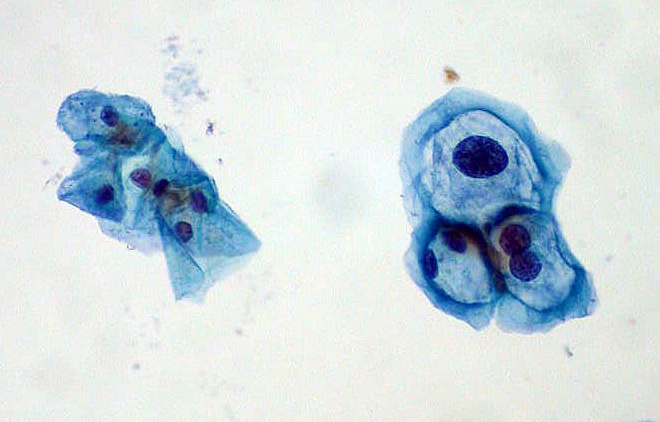
A Pap test looks for abnormal or precancerous cells on the cervix, while an HPV test detects high-risk strains of the human papillomavirus, which causes virtually all cervical cancers. Because HPV infection typically precedes cell changes, the test allows longer intervals between screenings. A 2018 study of more than 19,000 women published in the Journal of the American Medical Association found that HPV testing detected precancerous changes earlier and more accurately than Pap testing.
Why it matters
Task force recommendations carry significant weight because, under the Affordable Care Act, most private insurers must cover services the panel endorses at no cost to patients. Existing recommendations remain in effect until a new one is finalized.
Specialists said self-collection could widen access. Dr. Sangini Sheth, an associate professor of obstetrics, gynecology and reproductive sciences at Yale School of Medicine, said it could help patients who struggle with speculum exams and allow screening in settings such as mobile clinics. Robert Smith, senior vice president of early cancer detection science at the American Cancer Society, said a self-collected specimen “really has equivalent accuracy with a physician-collected specimen.”
Differences with the American Cancer Society
The move brings federal guidance closer to the American Cancer Society, which began prioritizing HPV testing in 2020. Differences remain: the society recommends starting HPV screening at 25 and, for self-collected samples, testing every three years rather than five until more long-term data are available.
A reshaped panel
The vote was among the first actions of a task force reshaped in September by Health Secretary Robert F. Kennedy Jr., who named eight new members. It is not clear whether Kennedy will need to approve the recommendation or will seek changes; the Supreme Court ruled last year that the health secretary has authority over the panel.
The American College of Obstetricians and Gynecologists said it is monitoring the process and will evaluate the final proposed changes when they are available.
Sources & Credits
- NBC News: New cervical cancer guidance to favor HPV screening over traditional Pap tests
- Medical Daily: Kennedy-Reshaped Preventive Task Force Takes Up Stalled Cervical Cancer, Perinatal Depression and Alcohol Recommendations
- U.S. Preventive Services Task Force: Cervical Cancer: Screening
Image: Liquid-based Pap test showing normal squamous cells and HPV-infected cells. Ed Uthman, MD, CC BY-SA 2.0, via Wikimedia Commons.


Join the conversation