ST. LOUIS, Nov. 13 (TodayViralUSA) — A blood test developed to track Alzheimer’s disease can also detect signs of advanced chronic traumatic encephalopathy, the brain disease linked to repeated head injuries, according to a study published Friday in JAMA — a step toward diagnosing the condition in living patients for the first time.
CTE can currently be confirmed only by examining the brain after death. Researchers led by Washington University School of Medicine in St. Louis said the findings, if confirmed in larger studies, could allow doctors to monitor people at higher risk, such as former football players, boxers and combat veterans.
An unexpected clue
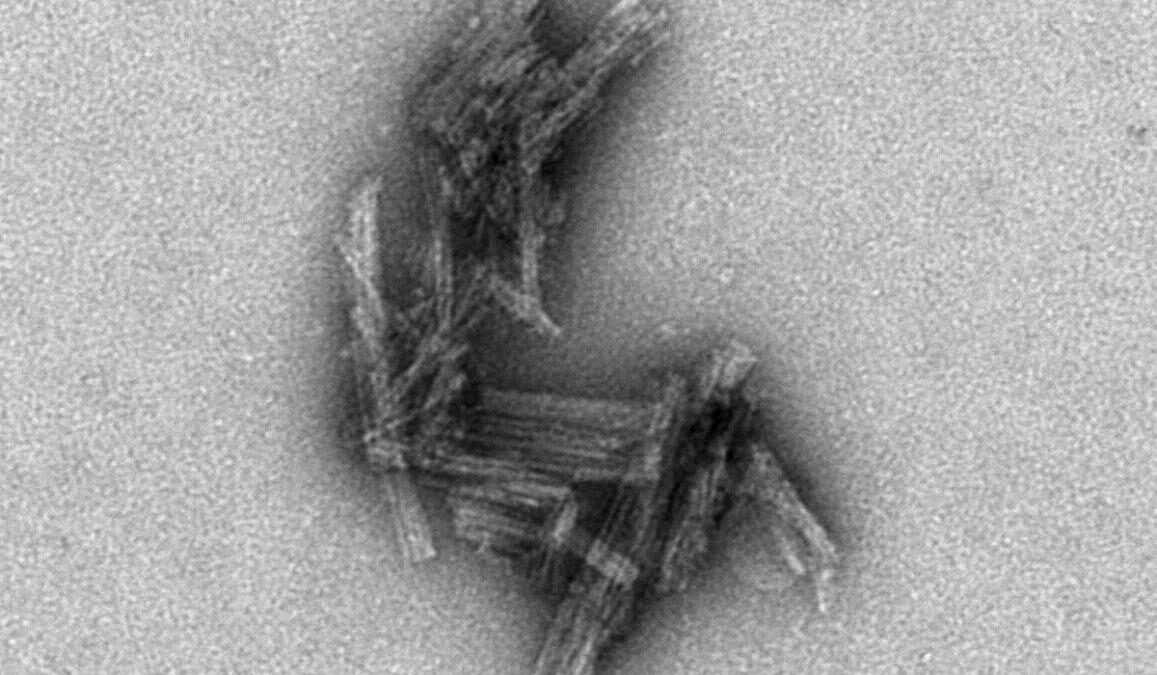
Both Alzheimer’s and CTE involve clumps of a protein called tau. The team had previously shown that blood levels of a tau fragment known as eMTBR-tau243 reflect tau buildup in the brains of people with Alzheimer’s, and set out to see whether the marker also appeared in other tau diseases.
While testing samples from more than 80 people whose brain diseases were confirmed at autopsy, one patient stood out: a person with no signs of Alzheimer’s but a high level of the marker. Autopsy records showed that person had advanced CTE. The researchers then tested blood from 11 people with autopsy-confirmed CTE and found levels higher than in healthy people, rising with the severity of the disease. The study included 229 participants in all.
“We are potentially opening a new door for diagnosing and treating CTE in living patients,” said co-senior author Kanta Horie, a research associate professor of neurology at WashU Medicine.
Important limits
The test distinguished advanced CTE from healthy people with high accuracy but could not reliably detect early-stage disease, and marker levels in CTE were far lower than in Alzheimer’s. Because the two conditions often occur together, the marker alone cannot tell them apart.
“This is not going to be a standalone biomarker,” said co-senior author Chihiro Sato. “But if someone has a history of repeated head injury, tests negative for Alzheimer’s, and this biomarker comes up, it might be CTE.”
WashU has licensed the technology to C2N Diagnostics, a university startup that already markets an FDA-cleared blood test to aid in diagnosing Alzheimer’s. The test has not been validated for CTE, and the university and some of the researchers disclosed financial interests in the company.
Sources & Credits
- WashU Medicine: Progress toward a blood test for CTE
- JAMA (DOI): Fluid eMTBR-tau243 as a biomarker of 3-repeat/4-repeat mixed tau pathology
Image: Electron micrograph of tau protein clusters, NIH Image Gallery, public domain, via Wikimedia Commons.


Join the conversation