NEW YORK, Oct. 4 (TodayViralUSA) — Florida’s 2026 dengue outbreak has become the largest in the continental United States in decades, with state health officials reporting more than 250 locally acquired cases so far this year, the vast majority in Hillsborough County around Tampa, according to the Associated Press.
Federal dengue surveillance is incomplete, but available state and journal records suggest this year’s Florida tally exceeds any other continental U.S. state calendar-year total since at least the 1940s. Florida’s previous modern peak was 2023, with just under 200 locally spread cases. Hawaii’s 2015–2016 outbreak produced 264 locally acquired cases over six months — a mark the Tampa-area surge is approaching.
One dengue death has been reported in Florida this year: an elderly Tampa woman who died Sept. 4. Local emergencies have been declared in Hillsborough and surrounding counties, where crews are spraying day and night and inspecting properties for standing water that breeds mosquitoes.
How dengue spreads — and why Tampa is hard hit
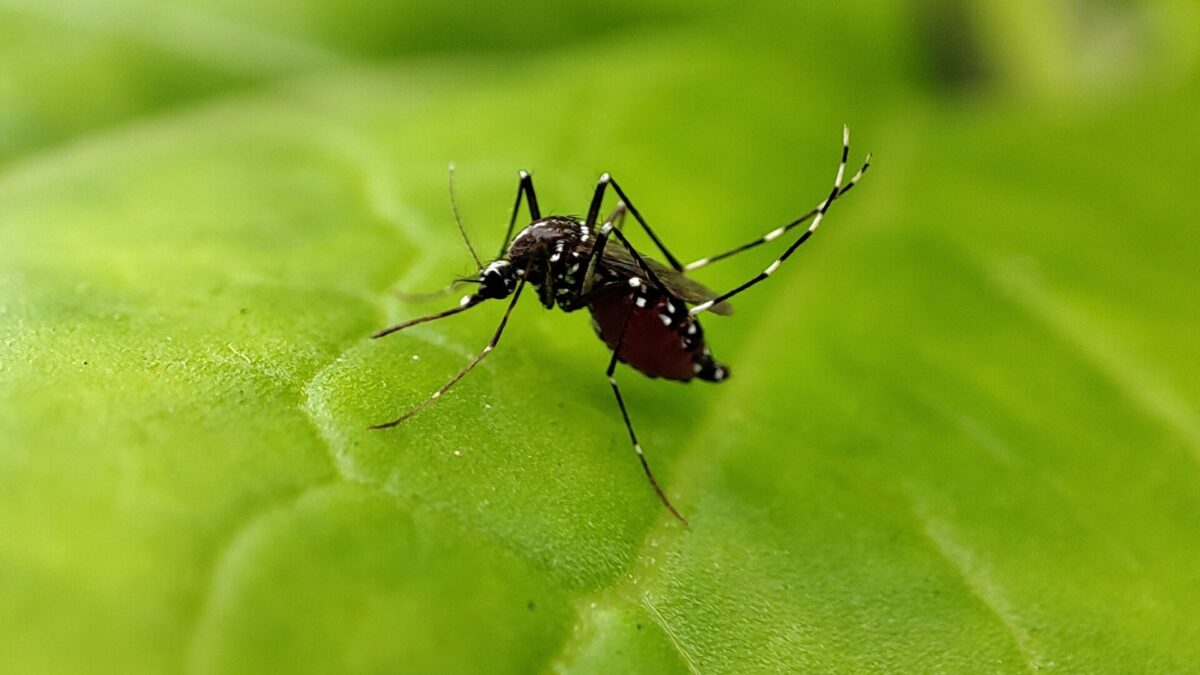
Dengue is a viral disease transmitted by Aedes mosquitoes. Many infections are mild or silent, but others bring high fever, severe muscle and joint pain — historically nicknamed “breakbone fever” — and, in severe cases, bleeding, shock or death. Four virus serotypes exist; a second infection with a different type can be more dangerous because prior antibodies may enhance viral entry into immune cells, complicating vaccine design.
Warm-climate mosquitoes that carry dengue already live in Florida and are expanding their range as temperatures rise, experts say. For decades, most continental U.S. cases involved travelers returning from endemic areas, plus local transmission in Puerto Rico. Key West reported the first continental cases outside the Texas–Mexico border since 1945 in 2009–2010. This year, Florida’s locally acquired cases (252) have edged past travel-associated ones (245), with at least 13 Hillsborough diagnoses still linked to travel, state figures cited by the AP show.
Dawn Wesson, a Tulane University mosquito-borne disease specialist, told the AP that Florida’s heavy travel links to Puerto Rico and other endemic regions help seed outbreaks, and that most Tampa-area residents lack prior dengue immunity. Southern Florida usually sees the bulk of cases; the intensity of this year’s Tampa cluster remains under study.
The Centers for Disease Control and Prevention has not deployed field investigators because Florida has not invited them, CDC spokesman Jason McDonald said. The agency has provided $800,000 in assistance to the state health department. Globally, the World Health Organization has tallied more than 2.2 million dengue infections and nearly 1,200 deaths this year; the CDC reports nearly 1,900 locally acquired U.S. cases, mostly in Puerto Rico.
Health officials urge residents in outbreak zones to use EPA-registered repellents with ingredients such as DEET, wear loose long sleeves and pants, reduce time outdoors at dawn and dusk, keep screens and air conditioning in use, and empty containers that hold standing water. Wesson warned that climate and persistent mosquito populations may make local dengue outbreaks “the new normal.”
Sources & Credits
- Associated Press via WTOP: Florida’s dengue outbreak is now the largest in the continental US in decades
- CBS Miami / AP: Florida's dengue outbreak is now the largest in the continental US in decades
Image: Wee Hong, CC BY-SA 4.0, via Wikimedia Commons.



Join the conversation