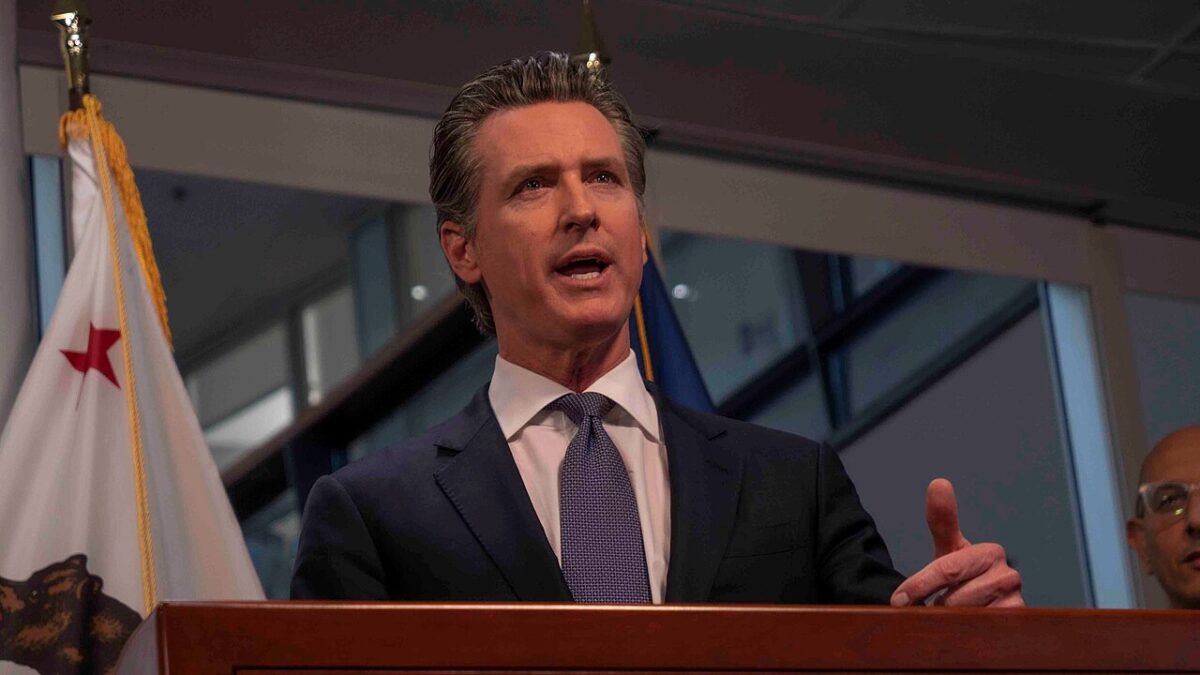
California Gov. Gavin Newsom has endorsed Proposition 42, a November ballot measure designed to nullify the state’s proposed one-time billionaire wealth tax and permanently ban new state taxes on personal property such as investments, business interests and retirement accounts.
The endorsement, announced Friday through the campaign backing Prop. 42, deepens a high-stakes fight among Democrats over how — and whether — California should tax unrealized wealth. Newsom has long opposed Proposition 40, the SEIU-backed measure that would impose a one-time 5% tax on residents with at least $1 billion in net worth as of Jan. 1, 2026, with most revenue directed toward health care.
What Prop. 42 would do
Prop. 42 would prohibit new state taxes imposed on the ownership of personal property — everything people own other than real estate — and bar certain retroactive taxes. If it receives more yes votes than Prop. 40, it would cancel the billionaire levy even if both pass. The measure was placed on the ballot by opponents of the wealth tax, including Google co-founder Sergey Brin.
Backers argue California should not tax people merely for owning investment portfolios, business stakes, art or retirement accounts before income is drawn. They warn that taxing paper gains could drive high earners out of the state and shrink the income-tax base that funds schools and services.
Union backlash and the November stakes
SEIU-United Healthcare Workers West, the chief sponsor of Prop. 40, says Prop. 42 is crafted to trick voters into making a wealth tax on billionaires permanently impossible. The union argues the measure is less about protecting ordinary retirement accounts than about shielding ultra-wealthy Californians from a one-time levy.
Newsom joins a coalition of leading California Democrats, Planned Parenthood, the California Teachers Association and most Republicans in opposing the billionaire tax. A recent poll found about half of likely voters opposed to the levy. Supporters of Prop. 40, including progressive allies of Sen. Bernie Sanders, say the state’s richest residents can afford to help offset federal health-care cuts.
Budget risk versus revenue windfall
California’s income tax is highly progressive, and Newsom has repeatedly cautioned that asset taxes could prompt wealthy residents to leave, creating larger budget shortfalls later. Prop. 40’s backers counter that a one-time assessment on roughly 900 billionaires would raise tens of billions for health programs without a permanent rate hike.
Voters decide both measures on Nov. 3. If Prop. 42 prevails, California would become one of the few large states to write an explicit constitutional barrier against future wealth taxes into its governing charter — a result that would reshape tax politics in the nation’s most populous state for years.
Sources & Credits
Reporting based on: CalMatters; The Wall Street Journal; Associated Press.
Image: Gov. Gavin Newsom — Office of the Governor of California / Wikimedia Commons (public domain).



Join the conversation