NEW YORK, Nov. 18 (TodayViralUSA) — Attackers used a popular website testing service to slip malicious code onto at least 178 major websites this week, exposing visitors to sites run by CNN, the BBC, Zoom, Salesforce, HSBC, IKEA and Equifax to card skimming, cryptocurrency theft and iPhone exploits.
The code was delivered through Optimizely Web, an A/B testing and personalization platform that companies load on their pages via a small JavaScript “snippet.” Security researcher Scott Helme of Report URI found the malicious code in 188 of the 1,611 Optimizely snippets his firm checked, belonging to 178 organizations, and said the true number is likely higher.
How the attack worked
According to Report URI, the attacker inserted code into the optional “Project JavaScript” field of customer projects, leaving the rest of each snippet untouched. Because the files were still served from Optimizely’s own trusted content network, the affected companies’ websites were compromised without their own code or servers being breached. Optimizely’s own website and login page carried the code as well.
Optimizely confirmed on Monday evening that it had identified and contained a security incident affecting some customers, The Record reported. Cybersecurity firm Black Kite said the company attributed the breach to a vulnerability in its Experimentation account sign-up flow.
What visitors were exposed to
Every visitor received the same multi-purpose script, Report URI said. It replaced cryptocurrency wallet addresses on the page, and in anything copied while the tab was open, with addresses controlled by the attacker. It captured card numbers, expiry dates and security codes typed into sites’ own forms, though cards entered in hosted payment frames such as Stripe’s were out of reach. It also stole cookies and screenshots, and on iPhones and iPads running older software it tried to load known iOS exploit kits.
The attacker’s wallets received about $7,040 in cryptocurrency within roughly nine hours, according to Report URI, which said it could not determine how many card numbers or cookies were taken.
Roughly 17 hours of exposure
Report URI first saw the code at 4:21 a.m. UTC on Monday, Nov. 16, and all infected files were clean by 11:11 p.m. UTC that day. One analyst questioned Optimizely’s own timeline, telling CSO Online that the company put the first malicious change at 07:51 UTC, hours after Report URI observed it on the BBC’s site.
Researchers said affected companies now need to work out which pages loaded the tainted snippet, for how long, and which card payments were taken in that window. They also urged site owners to audit who can edit their Optimizely projects and what API tokens exist, and to adopt a restrictive Content Security Policy, which blocked the attack on a minority of affected sites.
For consumers, the advice is to check recent card statements and crypto transfers made on major sites on Monday and to keep iPhones updated, since the exploit kits targeted older iOS versions.
Sources & Credits
- Report URI: World’s Largest Brands Infected With Malware Via Optimizely
- The Record: Coverage of the Optimizely security incident
- CSO Online: Optimizely confirms massive cyberattack on customer websites
- Black Kite: Analysis of the Optimizely supply chain attack
- Anadolu Agency: Cyberattack hits 178 major global brands
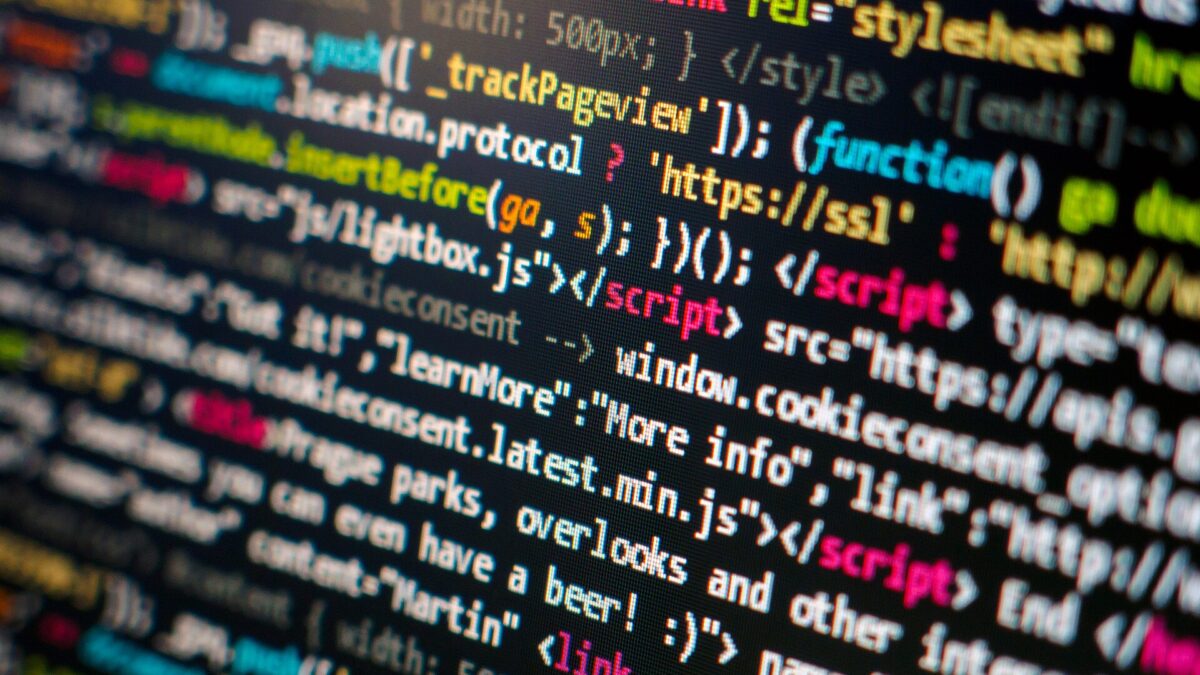
Image: JavaScript code on a screen (illustrative) by Martin Vorel, CC BY-SA 4.0, via Wikimedia Commons.


Join the conversation