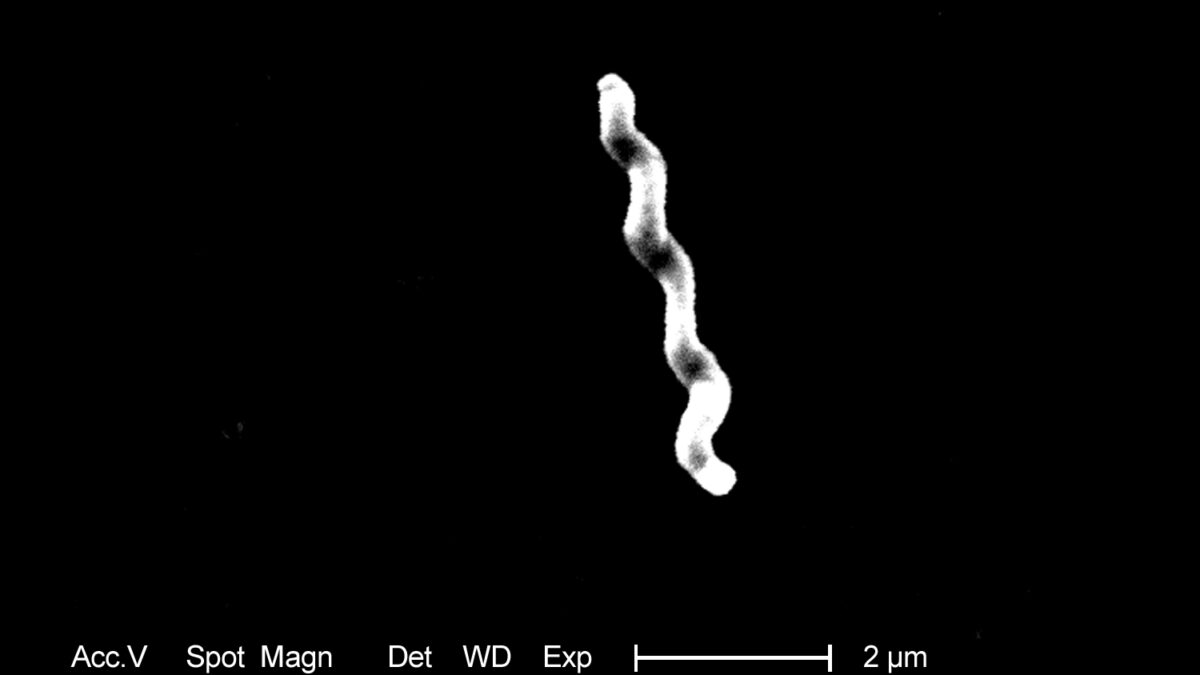
WASHINGTON, Nov. 12 (TodayViralUSA) — The United States has made “none to very slight” progress toward its national goals for cutting foodborne illness, and infections from three major pathogens are actually rising, according to a new study by researchers at the Food and Drug Administration, the Centers for Disease Control and Prevention and the Department of Agriculture.
The study, published in the Journal of Food Protection, reviewed nearly four decades of food safety targets set under Healthy People, the federal health-goals initiative run by the Department of Health and Human Services, and found that none of the 2020 targets were met.
Three bugs moving the wrong way
Using the latest data available for the Healthy People 2030 goals, measured against a 2016–2018 baseline, the researchers found all four tracked pathogens off target, as reported by Food Safety News:
- Campylobacter: up from 16.2 to 20.6 infections per 100,000 people, against a target of 10.9.
- Shiga toxin-producing E. coli (STEC): up from 4.6 to 5.7 per 100,000, against a target of 3.7.
- Listeria monocytogenes: up from 0.27 to 0.36 per 100,000, against a target of 0.22.
- Salmonella: essentially flat, from 15.3 to 15.2 per 100,000, against a target of 11.5.
The figures cover 2024 for three of the pathogens and 2023 for Campylobacter, drawn mainly from the CDC’s Foodborne Diseases Active Surveillance Network, known as FoodNet.
A costly problem
The researchers cited a 2025 Government Accountability Office report finding that more than 9,000 foodborne illness outbreaks were reported across all 50 states between 2011 and 2022, costing Americans about $75 billion a year in medical care, lost productivity and premature deaths. The GAO had likewise found limited progress toward national reduction targets.
Harder to compare
The authors cautioned that changes in surveillance methods and diagnostic technology, along with a shift from single-year baselines to three-year averages, make it harder to compare infection rates across decades. Even so, the latest numbers leave the country well short of the 2030 goals with only a few years left to reach them.
Sources & Credits
- Food Safety News: Researchers find little if any progress toward reducing foodborne illness
- CDC: Foodborne Diseases Active Surveillance Network (FoodNet)
- Healthy People 2030: Healthy People 2030
Image: Scanning electron micrograph of Campylobacter jejuni bacteria, CDC/Dr. Patricia Fields and Dr. Collette Fitzgerald, public domain, via Wikimedia Commons.
Join the conversation